The Emotional Weather Report
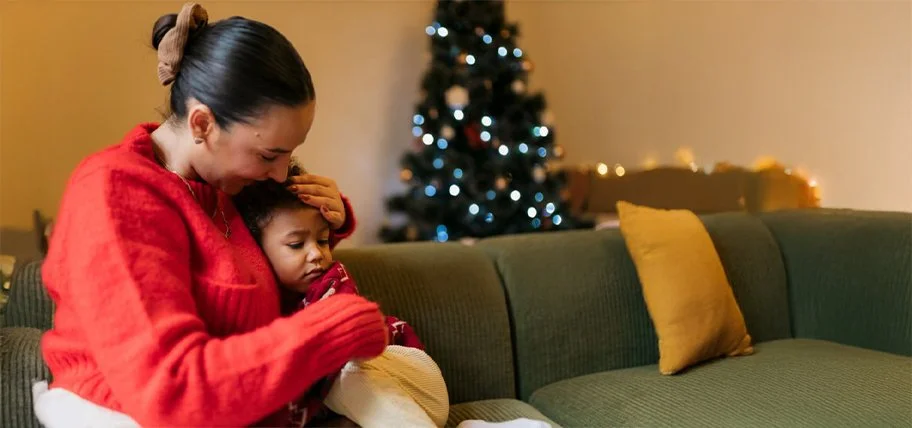
“When little people are overwhelmed by big emotions, it’s our job to share our calm, not join their chaos.”
– L.R. Knost
Children rarely tell us outright when they’re overwhelmed. Most of the time, they show us—in tiny, easy-to-miss ways woven into ordinary moments.
Maybe you notice it while tying their shoes. Or during a lesson you’ve taught a hundred times. Or in the way they hover a little longer before walking into a room.
These aren’t dramatic moments. They’re the quiet, almost forgettable ones… until you pause long enough to see the pattern.
Because children don’t announce, “I’m reaching my limit.” Instead, they shift: in tone, in energy, in pace.
A slight clinginess. A shorter fuse. A sudden preference for routine.
A hesitation where confidence used to be.
And what’s tricky is that these changes often blend right into the busyness of December. With routines disrupted, energy high, and emotions running beneath the surface, it’s easy to read these shifts as attitude, distraction, or “phases.”
But often, they’re none of those things.
They’re early signals—whispers from a child’s nervous system saying:
“I’m holding a lot right now.”
Wintering with children isn’t about slowing them down or demanding calm. It’s about noticing these signals before they turn into bigger storms. Noticing the wobble before the fall. The quiet before the overwhelm. The subtle change before the meltdown.
When we catch these early cues, we can respond gently—not with big solutions, but with presence. And that presence can change the entire emotional climate for a child.
Quick Gentle Tips to respond to winter signals:
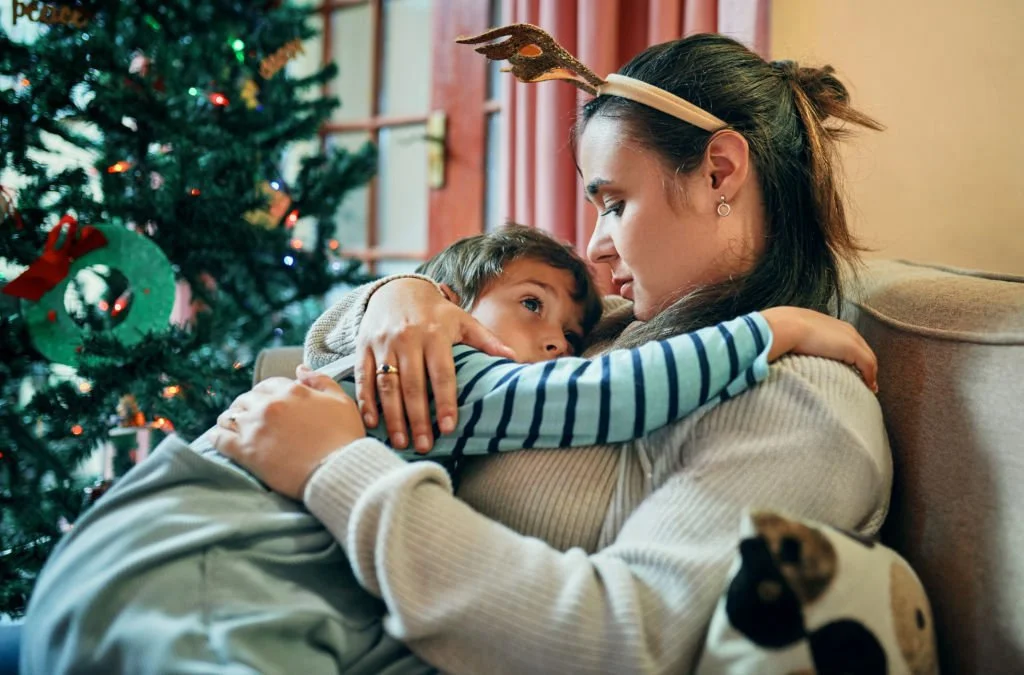
1. Move closer before you correct.
Even a few inches of physical closeness can shift the whole emotional climate.
2. Keep words short and soothing.
Kids hear safety before they hear logic.
3. Create small “warm corners” in the day—tiny rituals that help them reset.
A minute of breathing together, a shared stretch, or a simple “Let’s take a moment.” We let ourselves notice the small signals that life is asking us to recalibrate.
4. Let them borrow your calm.
Sometimes you are the co-regulation they can’t yet give themselves.
5. See the behavior as a message, not a battle.
A child who feels understood becomes a child who can understand themselves.
Why does this matter? Because when kids learn that their whispers get heard, they never feel the need to shout.
Winter signals remind us that children have emotional seasons too—moments where they grow quiet inside, hoping the adults around them will notice the shift in temperature.
And when we do, something remarkable happens: Children learn that their feelings—big, small, messy, or quiet—belong somewhere safe.
That’s the heart of wintering with children. Not silence. Not stillness.
Just this: noticing early, responding warmly, and becoming the steady place where their winter can rest.
Do you want us to bring us directly to your school or organization ?
From leadership teams to full faculty, we offer customized workshops that equip educators to integrate SEL and Educational Neuroscience seamlessly into everyday teaching.
💡 Let’s partner to build stronger, more connected school communities—together.
👉 Contact us to host a workshop
UPCOMING WORKSHOPS