When the World Feels Heavy, What Do You Hold Onto?
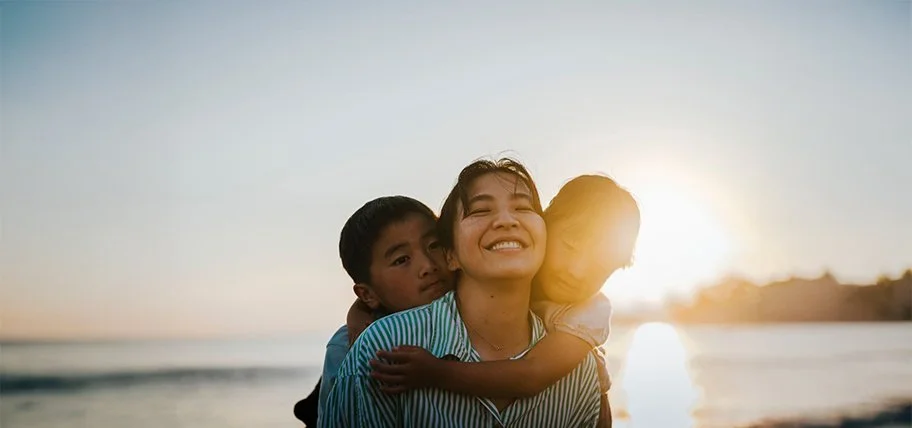
“When we are no longer able to change a situation,
we are challenged to change ourselves.”– Viktor E. Frankl
There are moments when the world feels unbearably loud.
News cycles don’t pause. Tragedies overlap. Conflicts stretch on. And even if they’re happening far from where we live, they have a way of settling into our bodies anyway — a heaviness we carry while making lunches, answering emails, showing up for our kids, and doing our best to act like everything is “fine.”
In times like these, hope can feel fragile. Almost irresponsible. As if paying attention to what’s good somehow means ignoring what’s broken.
But hope was never about pretending things are okay.
Hope is about refusing to give up when things are not.
Bryan Stevenson reminds us that hopelessness is the enemy of justice — not because justice isn’t possible, but because people stop trying when they believe nothing they do matters. And this is where gratitude often gets misunderstood.
Gratitude isn’t denial. It’s grounding.
It’s the practice of noticing what still exists when everything feels like it’s unraveling. The relationships that hold. The small moments of safety. The fact that even in a hurting world, care is still being offered — sometimes quietly, sometimes imperfectly, but genuinely.
For parents and educators, gratitude rarely looks like neatly written lists or forced positivity. More often, it looks like staying present instead of numbing out. It looks like noticing the child who laughed today, even if they cried yesterday. It looks like admitting, “This is hard — and I’m still here.”
That’s where hope grows.
Not the loud, motivational kind. The steady kind. The kind that keeps you engaged instead of overwhelmed. The kind that allows you to feel grief and responsibility at the same time — without shutting down.
When we practice gratitude this way, we aren’t shrinking our awareness of the world’s pain. We’re expanding our capacity to respond to it.
Children learn hope not from speeches, but from what they see modeled. They learn it when adults name hard truths without letting despair take over the room. They learn it when we hold space for fear and keep choosing care.
This is how hope becomes a value, not just a feeling.
And values need practice.
Consider these gentle reflections this week:
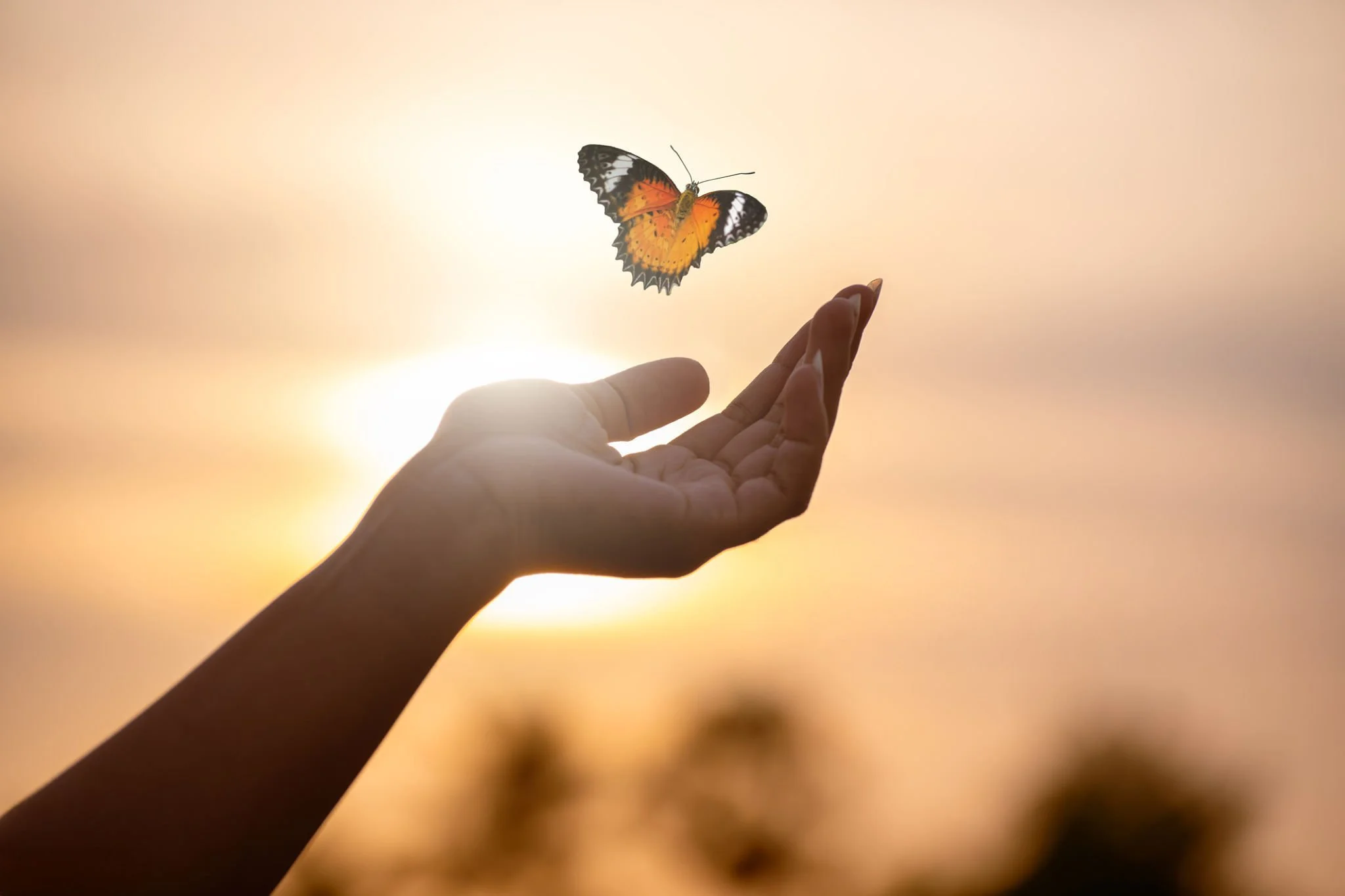
1. Pause long enough to notice what steadied you today, even if the day itself was messy.
2. Name one thing that reminded you why you still care, not because it was perfect, but because it mattered.
3. Let gratitude be specific, not grand — one moment, one interaction, one breath that helped you stay present.
Hope doesn’t require certainty. It requires presence.
And sometimes, choosing to notice what hasn’t been lost yet is the most powerful way to keep showing up — for our children, our communities, and a world that still needs people willing to care.
These aren’t solutions to the world’s pain. They’re anchors. And anchors matter when everything feels unsteady.
This is also why we created the Be Grateful Products for Purpose line — not as a reminder to “look on the bright side,” but as tangible prompts to pause, reflect, and ground ourselves in what still matters. Each product is designed to gently bring gratitude into everyday spaces — homes, classrooms, and conversations — while supporting a greater purpose beyond ourselves.
If you’d like something physical to support this practice of hope-through-gratitude, you can explore the collection here:
👉 Be Grateful Products for Purpose
Do you want us to bring us directly to your school or organization ?
From leadership teams to full faculty, we offer customized workshops that equip educators to integrate SEL and Educational Neuroscience seamlessly into everyday teaching.
💡 Let’s partner to build stronger, more connected school communities—together.
👉 Contact us to host a workshop
UPCOMING WORKSHOPS