You Were Made To Flourish
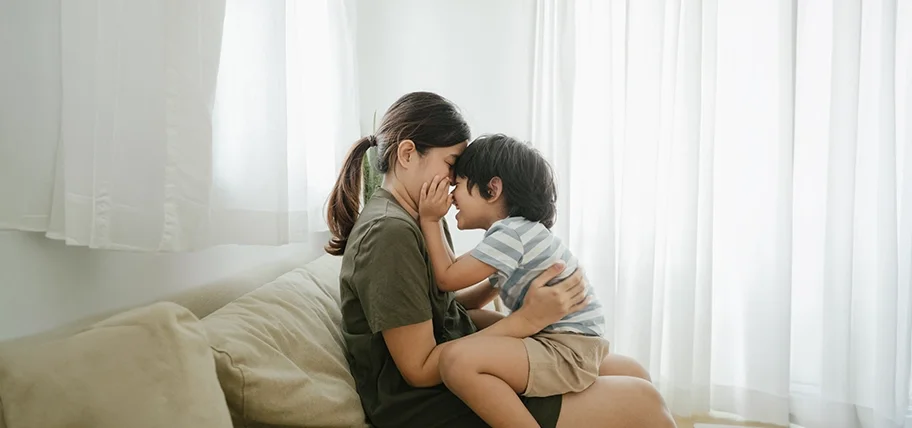
“A deep sense of love and belonging is an irreducible need of all people. We are biologically, cognitively, physically, and spiritually wired to love, to be loved, and to belong. When those needs are not met, we don't function as we were meant to.”
– Brené Brown, The Gifts of Imperfection
Something is blooming outside my window.
It happens every April and every April I notice it as if for the first time. The particular green of the new leaves. The light sitting differently on things. Something about the whole world quietly insisting on beginning again, regardless of what is happening in the news or in my inbox or in the wider world beyond my garden.
I find that quietly moving. And this year, more than usual, I also find it useful.
Because the world is not easy right now. I do not think I need to list the ways — you know them, you are living inside them just as I am. The uncertainty. The noise. The sense that things we thought were settled are no longer settled. The particular exhaustion of trying to stay present for the children in our lives while also carrying everything adults are carrying in a moment like this one.
And into all of that, spring arrives and blooms anyway.
Which makes me want to ask a question I think is worth sitting with this month.
What does it mean to flourish? Not in spite of all of this. Inside it.
Flourishing is not the absence of difficulty
I want to be precise about this because I think we often confuse flourishing with the absence of hard things. As if the goal is to get our lives into a state where nothing is wrong, and then — finally — we will be allowed to thrive.
That state never arrives. And waiting for it means we miss the life that is available right now.
What the research actually shows — and what Positive Discipline has always understood — is that flourishing is not about what happens to us. It is about the quality of how we are in relationship to what happens to us.
The tools we have for navigating difficulty. The people we are genuinely connected to. The sense that our life has meaning and that we are contributing something real.
It is available to us in hard times. In fact, some of the research suggests we access the deepest forms of it precisely through hard times, when we choose connection over isolation and meaning over despair.
This month I want to walk through four things that the research on flourishing — and the principles at the heart of Positive Discipline — both point to as essential.
This week I want to start with the one that matters most. Connection. Belonging. The felt sense of mattering to someone.
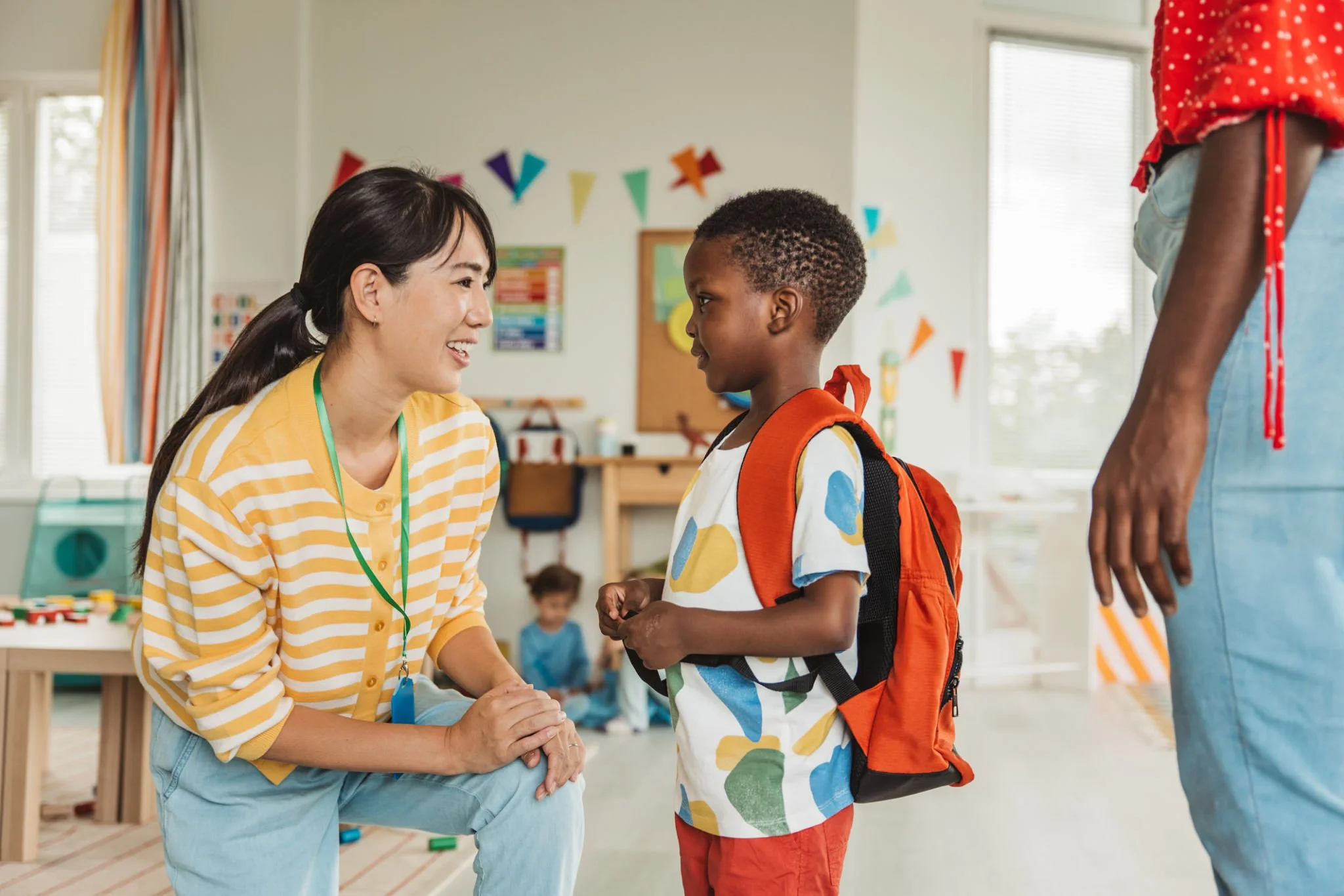
In Positive Discipline we say that belonging is a fundamental human need.
Not a nice-to-have. Not a bonus feature of a good life.
A need, in the same category as food and safety.
Children who do not have a felt sense of belonging in their family and classroom do not flourish — they survive, or they act out in the ways that are available to them. And adults who do not have genuine connection in their lives carry a specific kind of depletion that no amount of productivity or achievement can touch.
We are not built for isolation.
Our nervous systems are literally wired for co-regulation — for the calming presence of other people who are safe to us. The research on loneliness shows that chronic disconnection is as harmful to physical health as smoking. This is not metaphor. It is biology.
And the antidote is not grand. You do not need a large social circle or a perfect family or a deep friendship formed over decades.
The research on what they call 'micro-connections' shows that small moments of genuine human contact — a real conversation in a queue, a message to someone you have been thinking about, a moment of eye contact and warmth with a child — activate the same belonging circuitry as longer relationships.
Small, consistent, genuine. That is the formula.
What this looks like in a family and classroom
In Positive Discipline, the Family Meeting and the Class Meeting are both built around this principle. They are structures for belonging. For regular, intentional moments where every person in the room is seen, heard, and valued — not for what they have produced but for who they are.
But belonging does not require a formal structure. It requires presence.
The greeting at the door that uses a child's name and means it. The dinner table conversation where everyone speaks and everyone is genuinely heard. The phone put down when a child asks something. The reply to a message that says: I thought of you today.
These are the acts that build the sense of mattering that Positive Discipline calls belonging and that the flourishing research calls the most important single predictor of human wellbeing.
We are living in a world that pulls us away from each other — toward screens, toward productivity, toward the management of anxiety rather than the cultivation of joy. Choosing connection in that world is a small act of resistance. It is also, it turns out, one of the most effective things we can do for ourselves and for the children in our care.
Spring is here. Something is beginning.
I want to spend this month asking how we make the most of it — not by waiting for the world to get easier, but by choosing, in the middle of it, to flourish anyway.
What does flourishing look like for you right now?
Do you want us to bring us directly to your school or organization ?
From leadership teams to full faculty, we offer customized workshops that equip educators to integrate SEL and Educational Neuroscience seamlessly into everyday teaching.
💡 Let’s partner to build stronger, more connected school communities—together.
👉Contact us to host a workshop
UPCOMING WORKSHOPS