Your Beautiful Life Isn’t on Your Screen
"Instructions for living a life: Pay attention. Be astonished. Tell about it."
— Mary Oliver
There is a particular quality to August evenings that I look forward to every year.
The light sits differently than it does in June. It is lower, warmer, softer somehow, arriving quietly in the late afternoon before stretching across the evening a little longer than it probably should. Then, almost without warning, it disappears again, as though it has changed its mind.
I love it every year.
And every year, if I'm honest, I don't notice it nearly enough.
Most of the time I'm inside while it's happening. Or I'm outside but looking at my phone. Or I'm there in body but somewhere else entirely in my mind, running through tomorrow's to-do list, composing a message I haven't sent yet, or thinking about something that isn't actually here.
The light is there whether I notice it or not. The beauty of an ordinary August evening quietly arrives every single day of this month, and yet so often it comes and goes without me really being part of it.
I don't think that's a personal failing. I think it's what happens when attention becomes one of the most competed-for resources any of us have, and we aren't always intentional about where we give it.
I read something last year that I've found surprisingly difficult to forget.
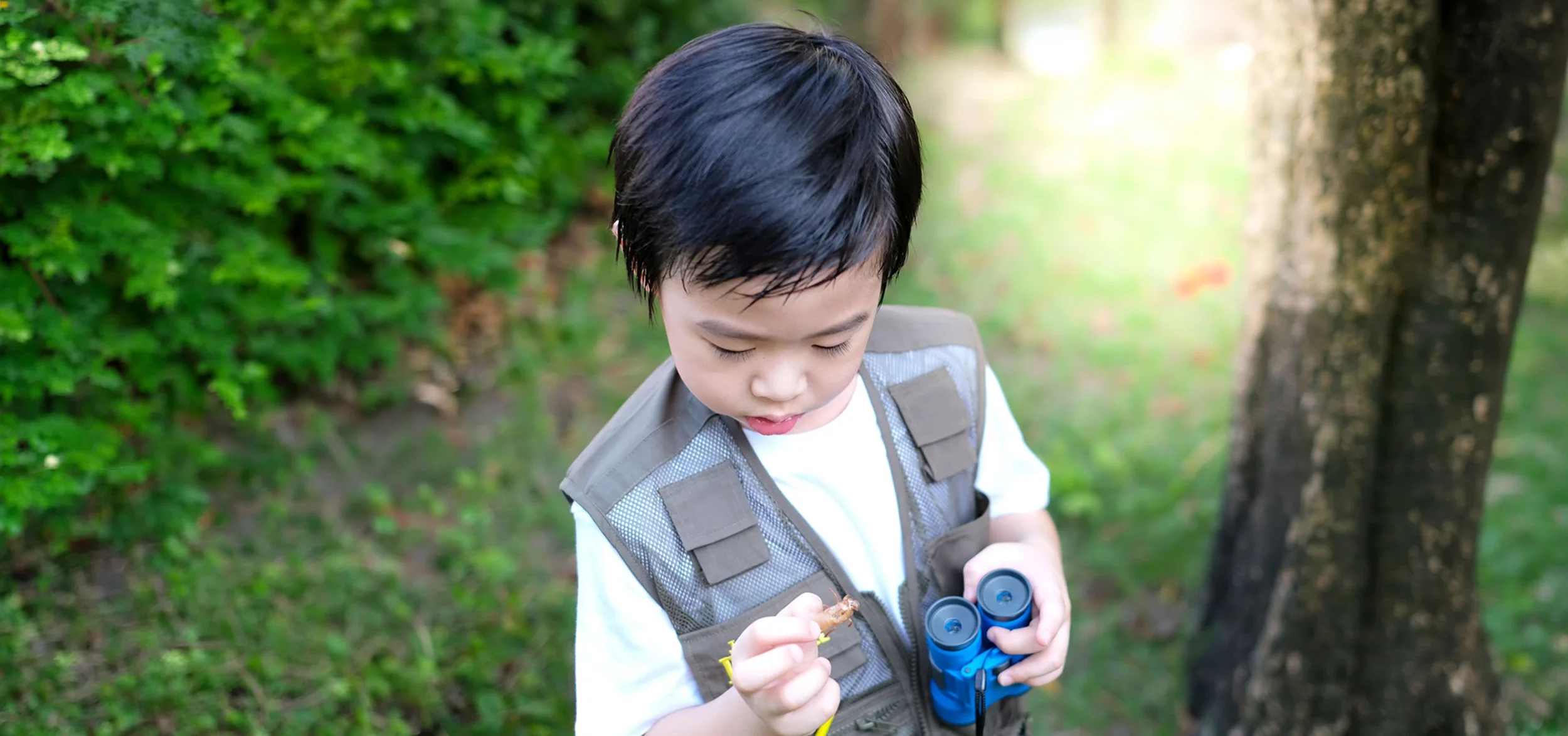
A researcher studying how children interact with the natural world found that children who spent more time on screens had a measurably lower capacity to notice what was happening around them. It wasn't because they were less intelligent or naturally less curious. Rather, the habit of sustained attention had gradually been replaced by something much more fragmented, a constant stream of small things demanding their focus, one after another, without anything holding it for very long.
I thought about this in the context of Chloe's school switch. One of the things I had noticed in her, gradually, was a greater capacity to be still with something. Like to really look at it and notice it properly instead of simply registering that it existed before moving on to the next thing.
And, if I'm honest, I noticed with more discomfort, that I had less of this capacity than I used to.
I recognized the reflex to fill every quiet moment, the slight unease of an unoccupied minute, and the way a beautiful August evening could quietly become the backdrop to whatever happened to be on my phone instead of the thing I was actually experiencing.
I'm not making a case against technology.
I'm simply making a case for noticing what it can quietly take from us when we don't manage it intentionally: our capacity to be present to what is already here.
Because beauty isn't rare…that is the thought I keep coming back to.
It’s actually abundant.
It is in the garden and on the street, around the dinner table, and in the face of the child you've been looking at for years but perhaps haven't really seen lately. It is in the smell of the air after rain, the unmistakable laugh of someone you love, the late afternoon light stretching across the wall, and the meal nobody thought to photograph because everyone was simply eating it together and it was genuinely good.
And none of those moments require money or planning. They require only one thing: Someone willing to notice them.
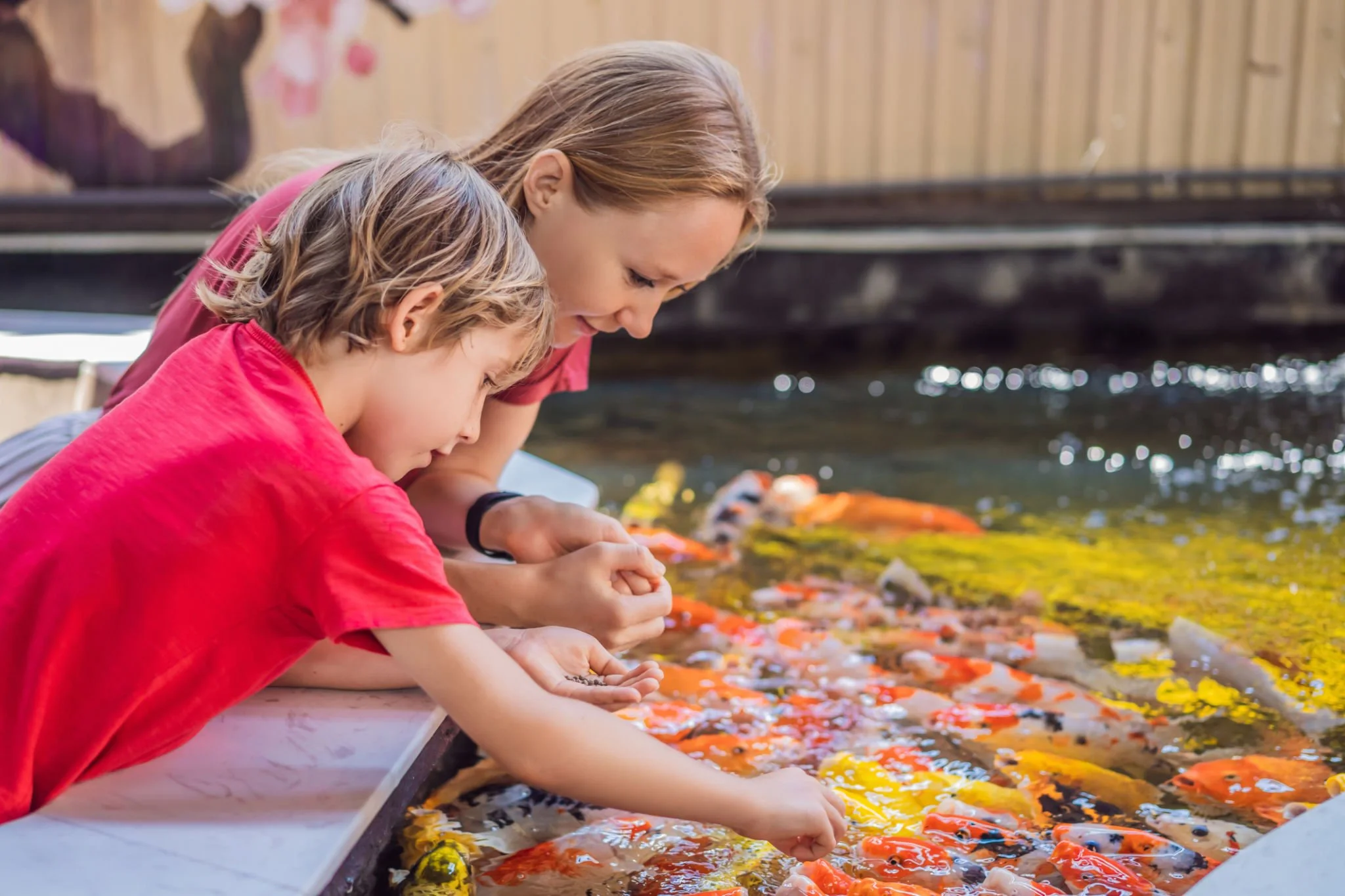
The practice of noticing isn't complicated. It is simply the decision, made over and over again, to really see what is in front of you instead of looking through it toward something else.
And I say it all the time, and I sound like a broken record but, children are quick to notice things. It is one of the most beautiful things about spending time with them if you are paying attention to it.
They stop on the pavement for a beetle. They ask why the sky is that specific colour today. They sit in the back of the car and look out the window for an entire journey without needing to fill the time.
And unconsciously, somewhere along the way, many of us lose a little bit of that.
The pace of adult life, combined with the habits that come with constant connectivity, has a way of convincing us that slow, attentive noticing feel like something we do not have time for. But the best way I know to rediscover it is to spend time with children who haven't forgotten how.
When Chloe stops to look at something I've already walked past, I try to go back with her, though not every single time, because life still has places to be, but often enough to remind myself that what she's doing isn't a distraction from the day…it is exactly the point.
One small thing before you go...
Something I'd love to share while we're on the subject of noticing.
This August, Small Talk: 101 Conversation Cards for Deeper Connections is available for order.
I created these cards because I've come to believe that some of the best moments in family life begin with a simple question. The kind that makes everyone pause for a moment, look up, and really listen to one another.
In a world where it's so easy for screens to quietly fill every gap, I wanted to create something that helps us fill those moments with conversation instead. The kind that brings laughter, curiosity, surprising answers, and the feeling of being genuinely seen.
If you're looking for a simple, screen-free way to connect a little more this season, I'd love for you to take a look.
Notice more this August. Start with the people around your table.
Order now at joymarchese.com/shop
Do you want us to bring us directly to your school or organization ?
From leadership teams to full faculty, we offer customized workshops that equip educators to integrate SEL and Educational Neuroscience seamlessly into everyday teaching.
💡 Let’s partner to build stronger, more connected school communities—together.
👉Contact us to host a workshop
UPCOMING WORKSHOPS