Fresh Eyes for the Child You Think You Know

“A child needs encouragement like a plant needs water.”
– Rudolf Dreikurs
I want to start this week with a small question.
What is the story you are currently telling about your child?
Not necessarily the one you say out loud, although those matter too. I mean the internal ones…The little shorthand that appears in your mind when someone asks how they are getting on.
“She has always been the anxious one.”
“He really struggles with change.”
“They wind each other up endlessly.”
“She is not very confident socially.”
“He can never sit still for long.”
Most of us have one, and often, these stories come from real moments.
We have seen the anxiety, the resistance, the sibling arguments, the hesitation, the restlessness. We are not making it up. But sometimes, without meaning to, those stories can become the lens we keep looking through.
And we tend to find what we are looking for.
If we have started to think of a child as anxious, we may notice every moment of worry and miss the tiny flashes of courage.
If we have decided a child struggles with change, we may brace ourselves for every transition and overlook the times they adapt beautifully.
Not because we are bad parents. Not because we are not paying attention. Because that is what minds do…they look for evidence that confirms the story they already know.
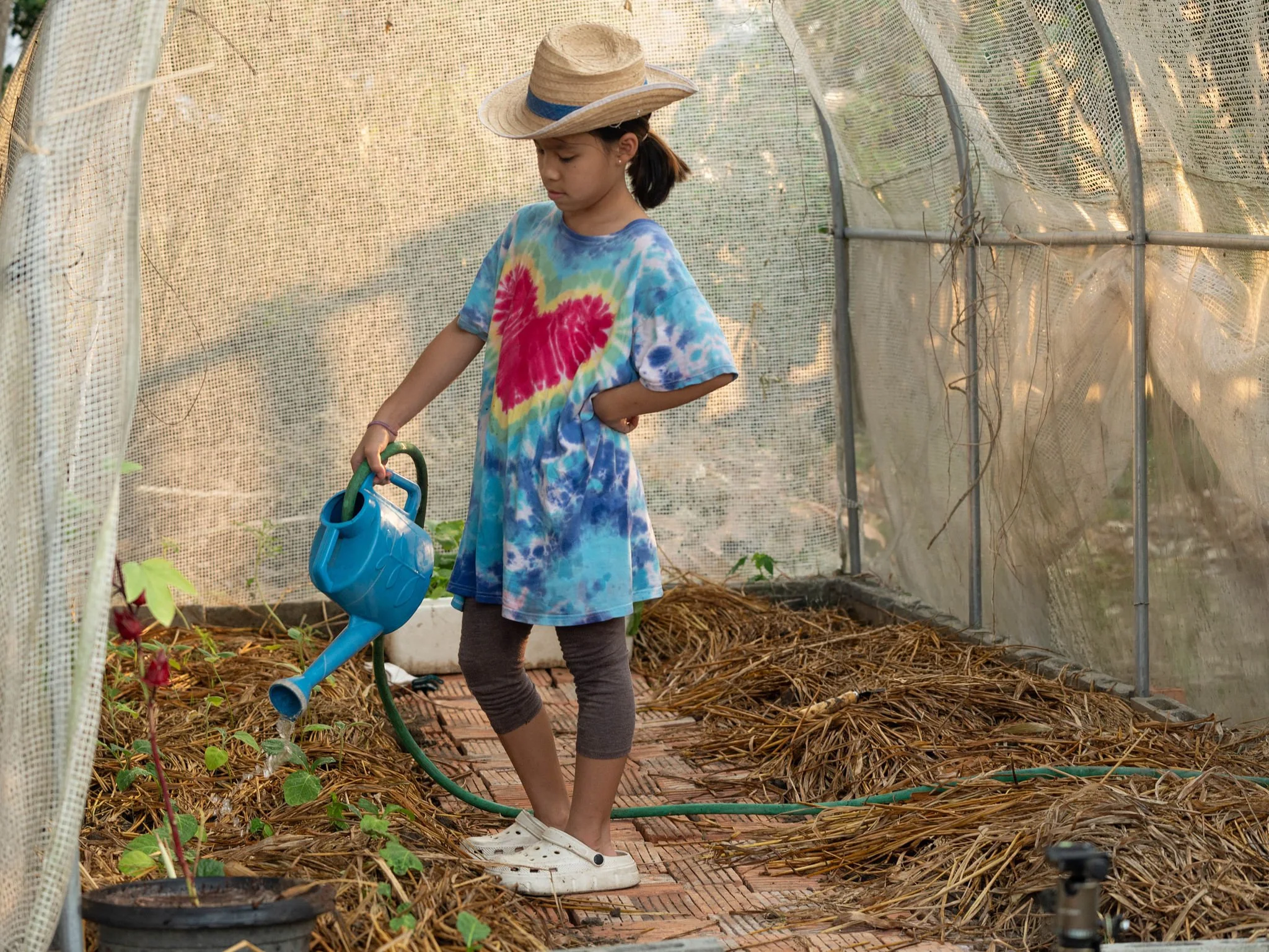
And this is where summer gives us such a lovely opportunity. Because summer strips away the school-year context and shows you a different version of your child. One that does not always fit neatly into the story you have been carrying since September.
The child who seemed shy in the classroom might be the one organizing the garden game.
The one who found school transitions difficult might become surprisingly creative and flexible in a slow July afternoon.
The child who was described as easily distracted might spend an hour building something outside, completely absorbed, without anyone needing to remind them to focus.
This is not a contradiction of what the school observed. It is the rest of the picture.
Children are more than any single story told about them, and summer can give us the chance to see the parts that the structured week may have left out.
In my work with families over the years, one of the most powerful shifts I have seen is when a parent begins to look at their child with fresh eyes.
“What is this child actually like when they have space?”
“What do they love when no one is directing them?”
“What are they quietly becoming that I might miss if I only look for the thing I expect?”
That kind of attention changes the relationship, and it changes the child too, because children can feel when they are being seen generously rather than managed carefully. They can feel when we are watching for possibility, not just waiting for the usual problem to appear.
Small noticing can become powerful encouragement.
Q-Tips to Notice and Create That Shift
1. Look for the “also true” moments
This week, notice one moment that complicates an old story. If your child is often cautious, look for a moment of courage. If they often struggle with change, look for a moment of flexibility. Children are rarely just one thing.
2. Name what you notice out loud
When your child does something that surprises you in a good way, be specific. Instead of “great job,” try, “You were unsure at first, and then you gave it a go.” Specific noticing helps children build new beliefs about themselves.
3. Ask what they see in themselves
Try asking, “What do you think you are getting better at this summer?” Not school subjects necessarily. Life things. Let them answer without steering. You might hear something that changes the story for both of you.
4. Listen to your own casual language
Notice how you talk about your child, especially when they can hear you. Children absorb the repeated descriptions adults use about them. Make sure the words they hear leave room for growth.
5. Get curious before correcting
If your child is having a hard patch this summer, try pausing before you respond. Ask yourself, “What might be going on underneath this?” Children often behave their feelings before they can explain them. Curiosity can change the whole conversation.
Do you want us to bring us directly to your school or organization ?
From leadership teams to full faculty, we offer customized workshops that equip educators to integrate SEL and Educational Neuroscience seamlessly into everyday teaching.
💡 Let’s partner to build stronger, more connected school communities—together.
👉Contact us to host a workshop
UPCOMING WORKSHOPS