Non-Performative Kind of Summer Good Vibes
“I don't have to chase extraordinary moments to find happiness - it's right in front of me if I'm paying attention and practicing gratitude.”
– Brené Brown
July is here. Summer is finally here!
There is a particular quality to the first week of July that I look forward to every year. Something about the light, the pace, the way the days feel slightly more open than they do the rest of the year. Even in the busy weeks. Even in the hard ones. Summer has an energy to it that I think we forget to appreciate until we are standing inside it.
And this year, more than usual, I want to be intentional about that.
I have been thinking a lot lately about optimism.
Not the shiny, everything-is-wonderful kind. Not the kind that asks you to pretend the hard things are not hard. Something more grounded than that.
Real optimism, I think, is not a mood. It is a choice. A small, quiet, repeated choice to keep looking for what is good, to keep believing things can get better, and to keep showing up for the people in your life even when showing up is inconvenient. It is something you practice rather than something that just arrives.
And summer, with all its unstructured time and long evenings and ordinary moments, turns out to be one of the best places to practice it.
What does optimism actually looks like in a family? I want to be clear about what I am not talking about.
I am not talking about performing happiness. Not about being the parent who pretends everything is fine when it clearly is not, or who insists that every difficult moment is actually a blessing in disguise. Children have excellent antennae for that kind of performance and it teaches them nothing good about how to handle reality.
What I am talking about is something different.
It is the parent who, in the middle of a hard afternoon, can still find the one thing that went well and name it. The one who says that was a tough moment and we got through it, and means both halves of that sentence. The one who models what it looks like to stay curious about life rather than resigned to it.
That is the version of optimism that changes children.
Not the performed one. The real one, lived in front of them in ordinary days.
One thing I came across recently from Dr Deepika Chopra, a behavioral scientist who writes about optimism, stayed with me. She talks about optimism as a muscle you build over time, not a personality trait you either have or do not. That reframe matters. Because it means it is available to all of us. Including on the days when it does not come easily.
This does not mean we need to be endlessly positive. That would be exhausting, and not especially honest. It means we can help children see that more than one thing can be true at the same time.
A day can be hard and still have a beautiful moment.
A plan can change and still become something good.
A child can feel disappointed and still discover they are capable of moving through it.
This is the kind of optimism we can practice in summer. Not as a personality trait that some people have and others do not, but as a small habit we can build together.
So this week, let’s begin simply because truthfully, that is where an optimistic summer begins. Not with everything being wonderful, but with learning to notice what already is.
Q-Tips in Practicing Good Vibes this Summer

1. Start a summer “ta-da” list
Each evening, write down three things that were good that day. They do not need to be impressive or milestone-worthy. The smaller, the better. The habit of noticing slowly changes what we see.
2. Ask one simple question at dinner
Try asking, “What was one good thing today?” There is no pressure to answer perfectly. Just ask consistently and see what it opens up over time.
3. Encourage without dismissing the hard thing
When your child is struggling, try saying, “I know this is hard. You have done hard things before.” This kind of encouragement acknowledges the feeling while reminding them of their capability.
4. Notice the language you use about summer
Our casual comments land more than we realize. “This is so boring” feels different from “This is a slow day, and we have time to choose something.” One closes things down. The other leaves a little room.
5. Name something you are looking forward to
Choose one small thing you are genuinely looking forward to this summer and share it with your child. Optimism is partly modelled. When children see us looking forward with openness, they learn how to do the same.
Do you want us to bring us directly to your school or organization ?
From leadership teams to full faculty, we offer customized workshops that equip educators to integrate SEL and Educational Neuroscience seamlessly into everyday teaching.
💡 Let’s partner to build stronger, more connected school communities—together.
👉Contact us to host a workshop
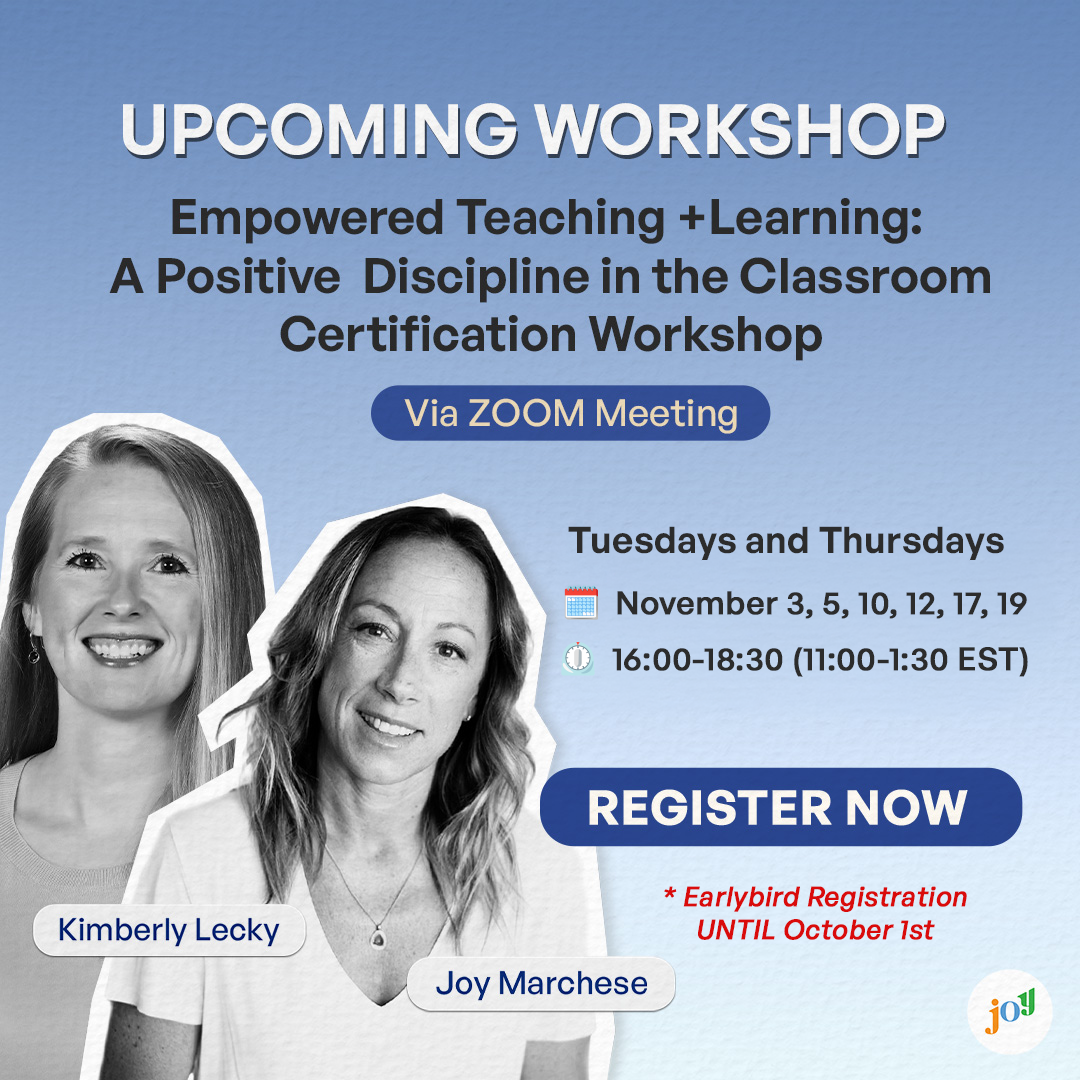
UPCOMING WORKSHOPS