The Kind of Peace That Makes Room for Reality

“Between stimulus and response there is a space.
In that space is our power to choose our response.”– Viktor E. Frankl
Peace is often imagined as something external.
A quiet world. Resolved conflicts. A life where nothing feels overwhelming.
But most of us know that’s not how peace actually arrives.
Peace doesn’t usually show up once everything is fixed. More often, it’s something we practice while things are still unfolding. It’s something we carry — gently, imperfectly — even when the world feels loud, uncertain, or divided.
As we come to the final week of this series, peace feels less like a destination and more like a posture.
It’s what happens when hope keeps us from giving up, love keeps us connected, and acceptance keeps us grounded in what is real — not ideal, not imagined, but real.
It begins inside the moments we don’t rush past. It shows up when we pause instead of react.
When we soften instead of harden. When we remember that our nervous systems, our relationships, and our communities all respond better to steadiness than force.
Choosing peace doesn’t mean disengaging from the world. It means refusing to let chaos dictate who we become within it.
For many of us, the absence of peace isn’t caused by one big thing — but by the accumulation of small, unspoken tensions we carry every day. Expectations we didn’t question. Roles we’ve outgrown. Emotional noise we never gave ourselves permission to put down.
Peace invites us to ask a different kind of question:
What can I release — not because it’s wrong, but because it’s heavy?
Quick Tips to Grow What’s Already Working

1. Create pauses on purpose.
Peace doesn’t require hours of silence. Sometimes it’s a deep breath before responding, a moment of stillness between tasks, or choosing not to fill every quiet space.
2. Let go of the need to be right all the time.
Peace often lives where humility meets understanding. Not every disagreement needs a winner.
3. Tend to your inner environment.
What you consume — conversations, content, expectations — shapes your internal state more than you realize.
4. Choose connection over correction.
Especially with the people you love. Peace grows where understanding leads.
5. Reset expectations that no longer serve you.
Not everything needs to be carried forward just because it once made sense.
This week is about integration — allowing hope, love, and acceptance to work together rather than separately.
That’s the intention behind the Products for Purpose collection. Each piece is designed not as a solution, but as a reminder — that peace is built in small, consistent ways. Through gratitude. Through love. Through choosing happiness without forcing it.
Peace isn’t loud. It doesn’t announce itself. It settles in when we decide that our well-being matters — not just someday, but now.
As you close this series, consider this reflection: What would change if I allowed peace to be something I practice, not something I wait for?
👉 Explore the Good Vibes Product Collection here Thoughtfully created tools to support hope, love, happiness, and peace — one intentional moment at a time.
Do you want us to bring us directly to your school or organization ?
From leadership teams to full faculty, we offer customized workshops that equip educators to integrate SEL and Educational Neuroscience seamlessly into everyday teaching.
💡 Let’s partner to build stronger, more connected school communities—together.
👉 Contact us to host a workshop
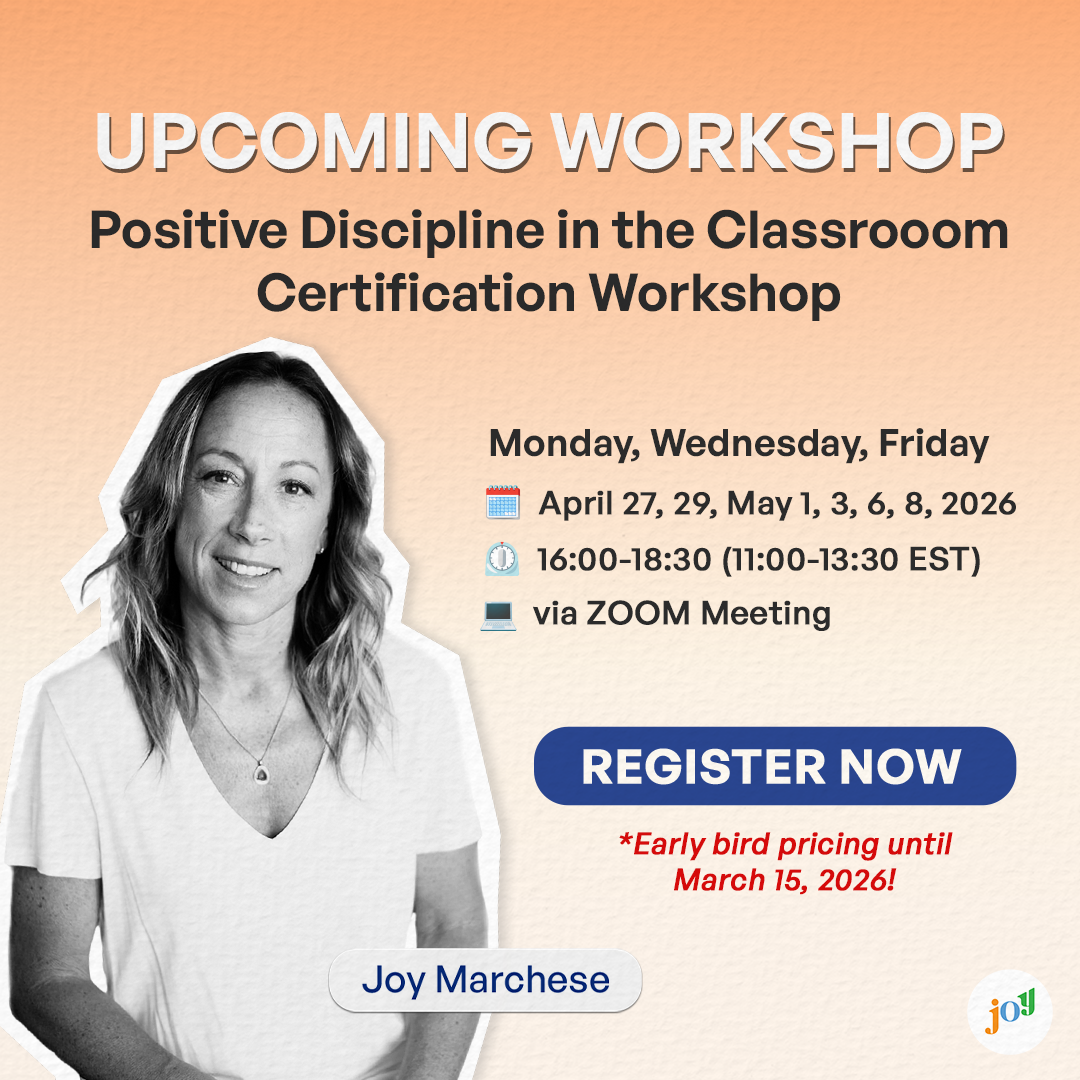
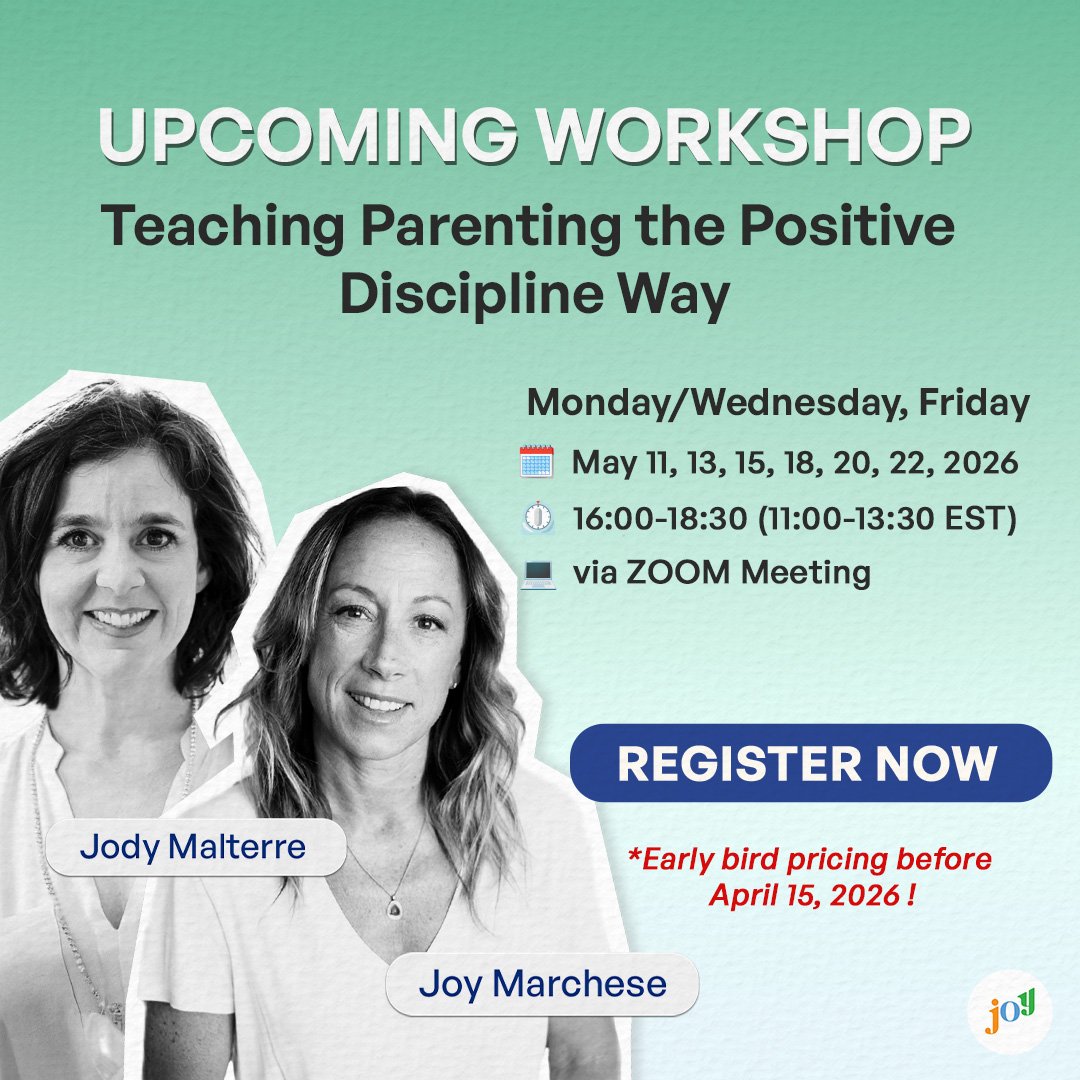
UPCOMING WORKSHOPS