The Big Feelings That Walk Through the Door
“Children will listen to you AFTER they feel listened to.”
– Jane Nelsen
I remember those after-school moments well.
The school day may have gone perfectly fine. The teacher may have said everything was okay. The lunchbox may have come home mostly empty. Your child may have walked out looking calm enough, maybe even cheerful.
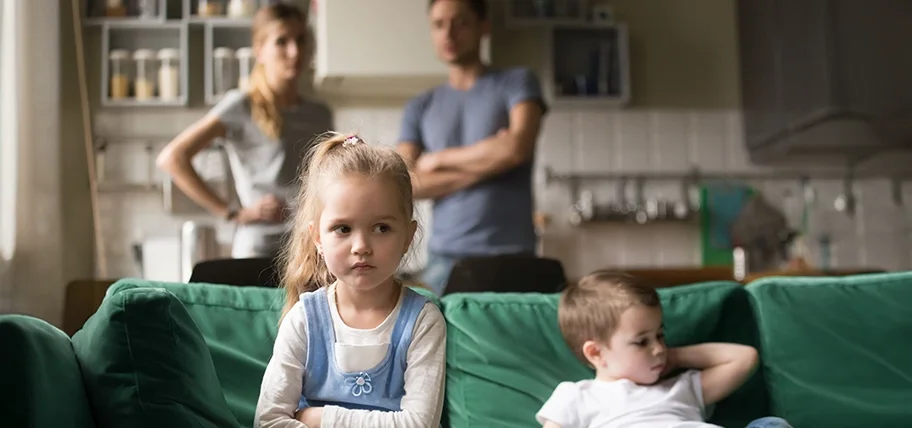
Suddenly, the shoes are impossible to take off. The snack is wrong. The homework is too much. The tone changes. The tears come quickly. If there are siblings, one small look or comment can become the final straw. If there is only one child at home, the whole weight of the day can still land in the room with you.
I have known that moment as a parent. That confusing little gap between “They seemed fine a minute ago” and “What just happened?”
It can feel personal, especially when we are tired too. We may wonder why our children seem able to hold it together for everyone else, only to unravel with us. We may feel guilty for feeling frustrated. We may know they need us, but still quietly think, “I don’t know if I have enough left for this tonight.”
If that sounds familiar, you are not alone.
Home is often where children finally stop holding everything in.
Children spend so much of the school day managing themselves. They listen, wait, concentrate, share space, navigate friendships, follow routines, cope with noise, and move from one activity to the next. Even when they enjoy school, it still asks a lot from them.
By the time they come home, their emotional capacity may be low. The feelings they have carried all day can spill out in the place where they feel safest. Not always gently. Not always conveniently. Often, right when dinner needs cooking, emails need answering, or someone needs to be somewhere in twenty minutes.
What looks like defiance may actually be depletion. What sounds like attitude may be tiredness with no graceful way to express itself yet. What seems like a fuss over nothing may be a child’s way of saying, “I have been holding a lot today, and I do not know how to put it down.”
The wrong snack may not really be about the snack.
The meltdown over shoes may not really be about the shoes.
The refusal to start reading may not really be about the book.
Sometimes, the small thing is simply the last thing.
Of course, understanding this does not mean every behaviour is okay.
Feelings are allowed. Hurting, shouting, throwing, or speaking unkindly still need guidance.
This is where Positive Discipline has helped me so much, both as a parent and an educator. It reminds us that we do not have to choose between compassion and boundaries.
We can hold both.
This is not about winning the moment. It is about helping children learn that feelings can be felt without becoming the boss of the whole house.
And sometimes, we won’t get it right. We may snap. We may lecture. We may respond from our own tiredness. I have those moments too. Repair is part of the work. A simple, “I was tired and I spoke sharply. I’m sorry. Let’s try again,” can teach a child that relationships can recover.
Q-Tips: When the big feelings come home

1. Let them land before asking too much
After school, try giving your child a little space to arrive home before moving into homework, questions, or instructions. A snack, quiet play, outdoor time, or a few minutes together can help their nervous system settle.
You might say, “Let’s have a few quiet minutes first, then we’ll look at what needs doing.”
2. Use fewer words when emotions are high
When children are overwhelmed, long explanations can feel like more noise. A calm, short sentence is often more helpful than a lecture.
Try, “You are upset. I’m here. We will talk when your body is calmer.”
3. Keep one small routine steady
June can bring many changes, so one predictable rhythm can help children feel anchored. It might be the same after-school snack, a bedtime routine, or a simple checklist.
It does not need to be perfect. It just needs to feel familiar.
Choices help children feel less powerless while still keeping the boundary clear.
You might ask, “Would you like to read on the sofa or at the table?” or “Do you want to brush teeth before pajamas or after?”
5. Repair when the evening gets messy
No family gets this right all the time. When things go wrong, repair helps everyone come back to connection.
You might say, “That was a hard moment. I love you. Let’s try again.”
The end of the school year can bring a lot into our homes. We are not trying to make home emotion-free.
That was never the goal.
Home is where children learn that big feelings can be met with steadiness. It’s where they learn that limits can be held with love. It is where they learn that tired people can pause, repair, reconnect, and begin again.
So if the after-school hours feel tender right now, take heart.
You are not doing it wrong.
You may simply be seeing the feelings your child has been carrying all day. And with connection, kindness, and firmness, we can help them put those feelings down without putting shame on top of them.
Do you want us to bring us directly to your school or organization ?
From leadership teams to full faculty, we offer customized workshops that equip educators to integrate SEL and Educational Neuroscience seamlessly into everyday teaching.
💡 Let’s partner to build stronger, more connected school communities—together.
👉Contact us to host a workshop
UPCOMING WORKSHOPS