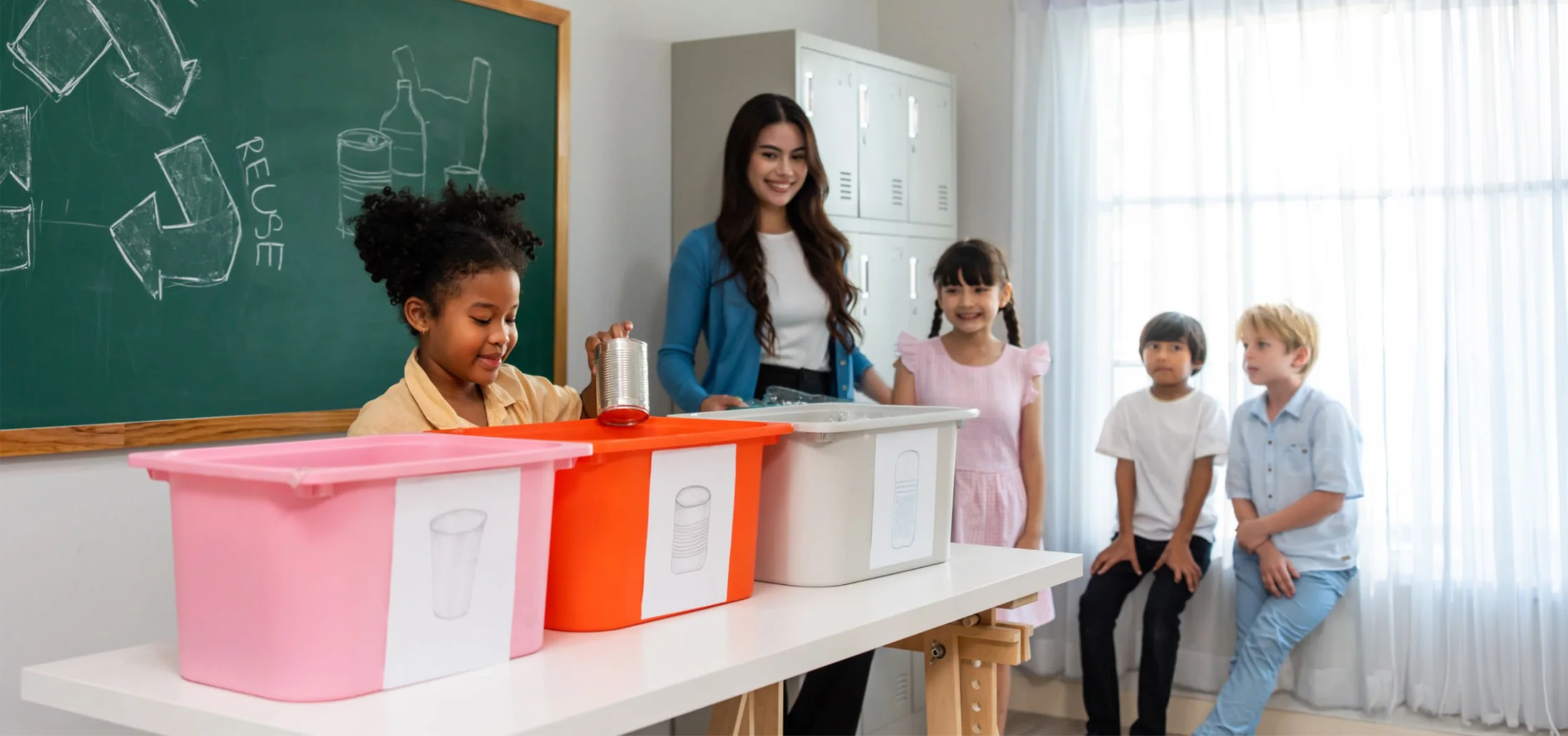
“As a classroom community, our capacity to generate excitement is deeply affected
by our interest in one another…”— Bell Hooks
No child has ever bounded through the school gates in October announcing, “I can’t wait for the spelling test.”
Day one is easy. New shoes, new bag, a pencil sharpened to a point so fine it’s practically a weapon. But somewhere around the second week the shine wears off and the assignments turn real, and a quiet question settles in: why do children keep coming back?
Ask a parent and the answer is obvious. They come to learn, and that’s the reason they send them. But it’s rarely the reason a seven-year-old gets out of bed on a rainy Wednesday. Once the novelty fades, children come back for the people: the friend who saves them a seat, the chat in the line, the person who laughs at the same things they do.
School stops being only a place of lessons and becomes a place where they hope to belong.
That’s the thread running through the last couple of months, as we’ve talked about classroom jobs and getting students involved, not just in school activities but in the everyday life of their own classroom.
This week I’d like to look at why that matters so much, because I think it answers the question of why they keep coming back.
It starts with something easy to forget. At home, a child is a son or daughter, and they belong by default, without lifting a finger. At school they’re a student, and the relationship between a teacher and a student is different from the one with a parent, whether we like it or not. Nobody there is obliged to love them.
That’s exactly what makes the classroom such a powerful place to learn what belonging involves: sharing space, taking turns, noticing what others need, and being relied on by people who aren’t family.
Teachers are there to teach, but teaching goes well beyond the academic. They’re helping children learn how to be part of a community as well as how to read. This is where a classroom role earns its place.
Positive Discipline holds that children are always searching for belonging and significance, and a real job is one of the clearest ways to find both.
A child with a role, even a small one, begins to show up differently. The plant needs them, or the new student does. And when a teacher notices, with specific, honest encouragement (“thanks for sorting that, it saved us two minutes”), the job changes from a task into a purpose.
They did something, and it mattered to the room.
Now for the catch, because there’s always one…It doesn’t go right every time. Children could miss their jobs. And it’s tempting to file that under “lazy” or “careless,” but if you look closer, the reasons are usually much more ordinary.
They’ could just be overwhelmed by the day’s assignments and just need to get home and rest.
They’re so excited to play with their friends that nothing else exists.
They’ve been waiting all week to do something after school, and the bell rang, and that was that. Think back to your own last lesson of the day. The bell goes and your whole mind goes with it.
Children carry so many priorities at once, while developing the skills to juggle competing priorities, and every one of those priorities is valid to them.
But here’s where we have to be firm too, and this is the part I think is easiest to get wrong. Being understanding doesn’t mean the job doesn’t matter. It does matter. Even something as small as sharpening pencils has a consequence when it isn’t done: the next lesson starts late, someone else has to do it, a teacher is sharpening with a class waiting.
A role only feels like a role if it has some weight, and children need to feel that. The question is how much weight, and how it’s delivered.
Positive Discipline’s answer is to be kind and firm at the same time, and to focus on solutions rather than blame. In practice, offering a choice before anything goes wrong is a good start: “If you can’t stay today, tell me, and you can ask someone to cover for you.” That teaches something useful beyond the pencils, namely that when we can’t keep a commitment, we speak up and find a way to make it work.
When a job is missed anyway, the consequence can be a logical one, meaning one that is related to the job, respectful, reasonable, and related. The pencils are theirs first thing tomorrow. No lecture, no loss of the role. Just enough for the child to understand the weight of what they’ve been asked to do.
Then there’s the honest part, for the teachers reading this.
You can do all of it beautifully, with warmth, clarity, and patience, and some students still won’t cooperate. It happens in the best classrooms, and it can stretch your patience further than feels fair. It helps to remember that your part is the invitation, the structure, and the follow-through. How a child responds belongs to them and to time.
Q-Tips: Making Room for Contribution in the Classroom
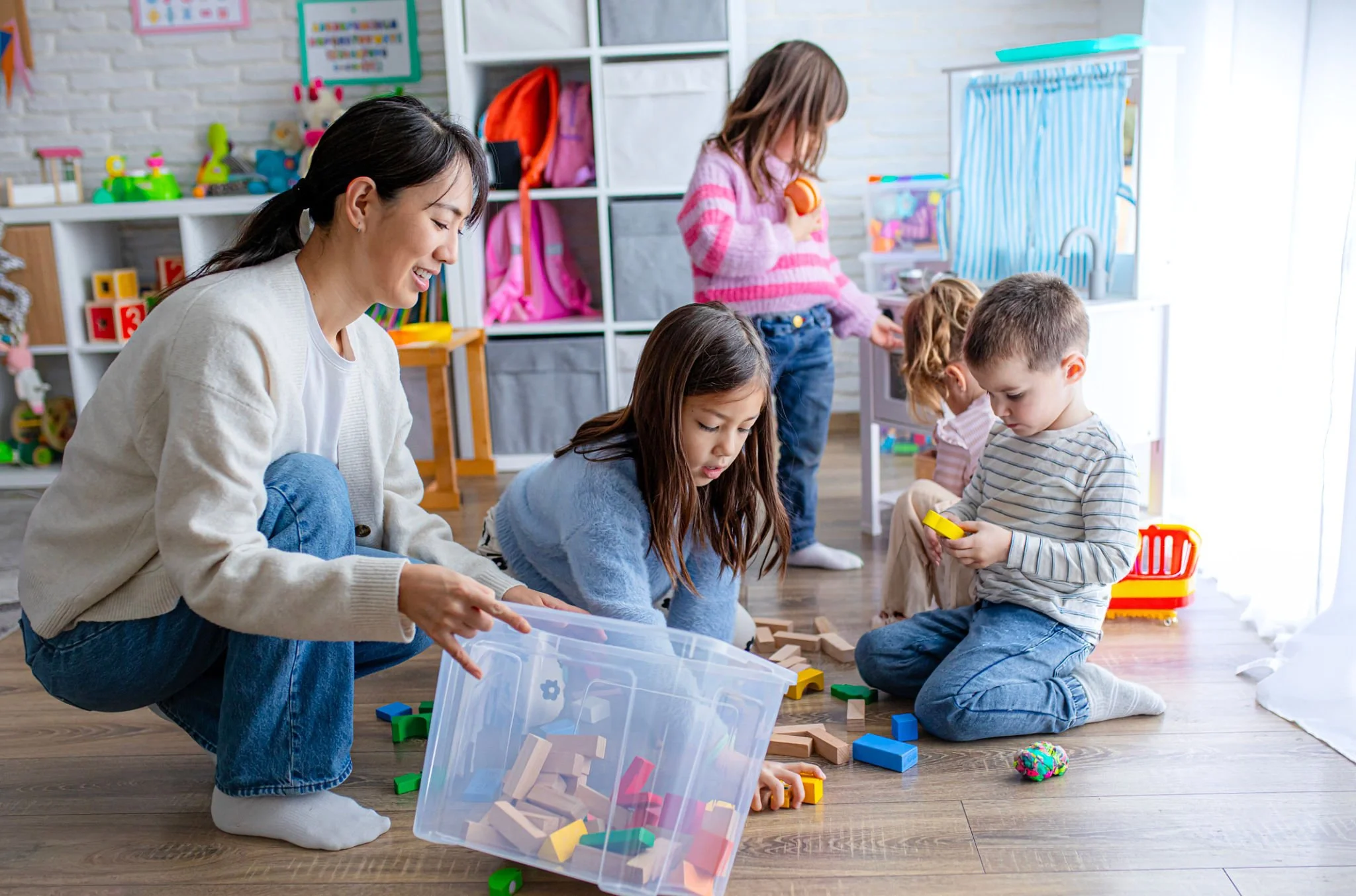
1. Give every child a real role. Something the class would genuinely notice if it weren’t done, not a token job. Let children help decide what the roles are.
2. Notice it, specifically. “Thanks for sorting that, it saved us two minutes” does more than “good job.” Encouragement tells a child what their contribution did.
3. Offer a choice before a job gets missed. “If you can’t do it today, tell me, and you can ask someone to cover.” It teaches children to speak up instead of disappear.
4. Keep consequences related and light. The child who forgot the pencils does it next morning. No lectures, no loss of the role. Just enough to feel the weight.
5. Do your part, and let go of the rest. Invite, support, and follow through. If a child still isn’t ready, that’s not a verdict on you or on them.
Lastly, I also want to say that what you can’t control isn’t your fault, as long as you’ve done your part. And the other side of it is that some students will take a role and run with it, and surprise you with how seriously they treat the smallest job.
Either way, it doesn’t change who belongs. The child who forgets and the child who never forgets are both part of your community, and always were. Belonging isn’t a reward for doing the job well.
But there’s a difference between belonging and feeling it, and I think that’s the whole point. Belonging is given. Meaning is built. Being part of a community becomes meaningful when a child knows they helped make it what it is today.
And since it’s November, it’s worth noticing that this is also where gratitude begins, because it’s hard to feel thankful for a room you’ve never had a hand in.
BEFORE YOU GO….
Want a little help getting started?
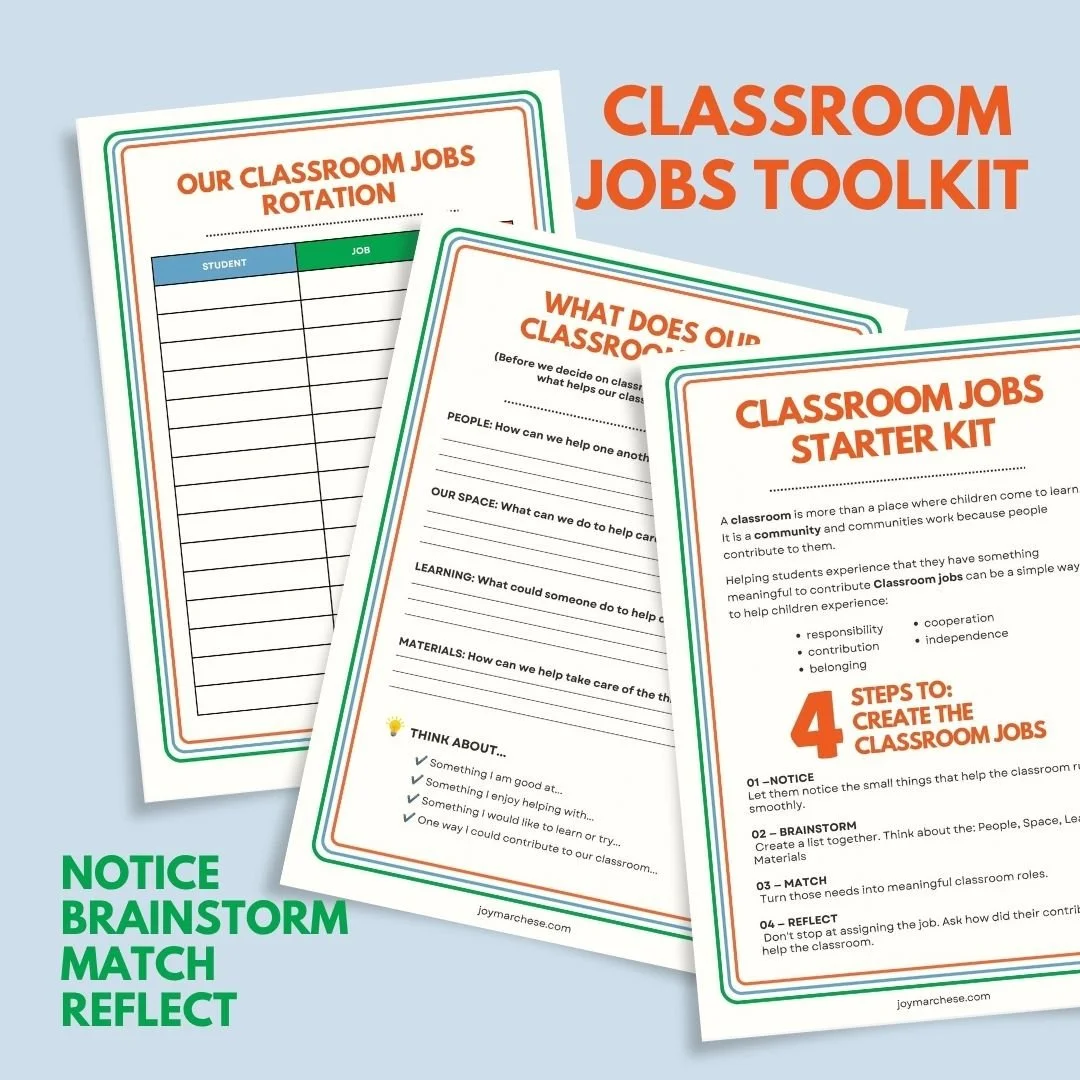
We’ve created a free Classroom Jobs Toolkit to help you put these ideas into practice. It’s a handy resource for introducing classroom responsibilities and making it easier for children to take an active part in caring for their classroom.
I want to leave you with something practical for those conversations. Why not use our Small Talk Conversation Cards during your class meetings?
Small Talk: 101 Conversation Cards for Deeper Connection is now available to order.
If this month's series has reminded you of the value of real conversation, I'd love to share something I created with that in mind designed to spark meaningful, screen-free conversations, these cards help turn ordinary moments into memorable ones.
Because sometimes, all it takes is one good question.
Order now at joymarchese.com/shop.
Do you want to bring us directly to your school or organization ?
From leadership teams to full faculty, we offer customized workshops that equip educators to integrate SEL and Educational Neuroscience seamlessly into everyday teaching.
💡 Let’s partner to build stronger, more connected school communities—together.