Mothered So Hard
“Being a mother is learning about strengths you didn’t know you had.”
– Linda Wooten
I want to start with something that does not usually get said on Mother's Day.
Not how much we love our mothers. We know that. Not how hard they work because we know that too. I want to start with something more specific.
Motherhood requires a level of skill, intelligence, and emotional capacity that would be extraordinary in any professional context. And almost none of it is ever formally acknowledged.
They are just capable in ways that don’t always get named. They adjust without being asked. They notice without being told. They carry what needs to be carried, often before anyone else realizes it needs attention in the first place.
That kind of presence is easy to take for granted—not because it’s small, but because it’s constant.
And anything constant eventually becomes invisible.
We hand new mothers a baby and a collection of well-meant advice and then we step back and watch them figure out one of the most complex relational, logistical, emotional, and developmental challenges a human being can take on. Without a job description. Without performance reviews. Without a salary that reflects even a fraction of what the role would cost to outsource.
And then, on the second Sunday of May, we give them flowers and say thank you.
I do not say this to be ungrateful for flowers. I say it because I think we consistently underestimate what is actually happening in the ordinary, unremarkable work of mothering — and that underestimation costs something.
It costs mothers the recognition that would sustain them. And it costs children the understanding of what they are receiving.
Let me try to name some of it.
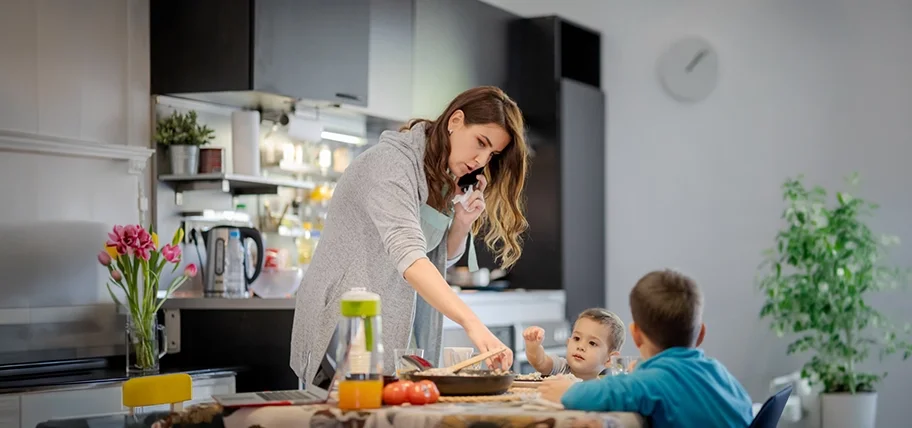
The ability to walk into a room and know, before anyone has said a word, what the temperature is. Who is struggling. What it means. What is needed. Not because mothers are magic but because they have paid close, continuous attention to the people they love and built extraordinarily detailed predictive models of each child's inner world.
The invisible logistics.
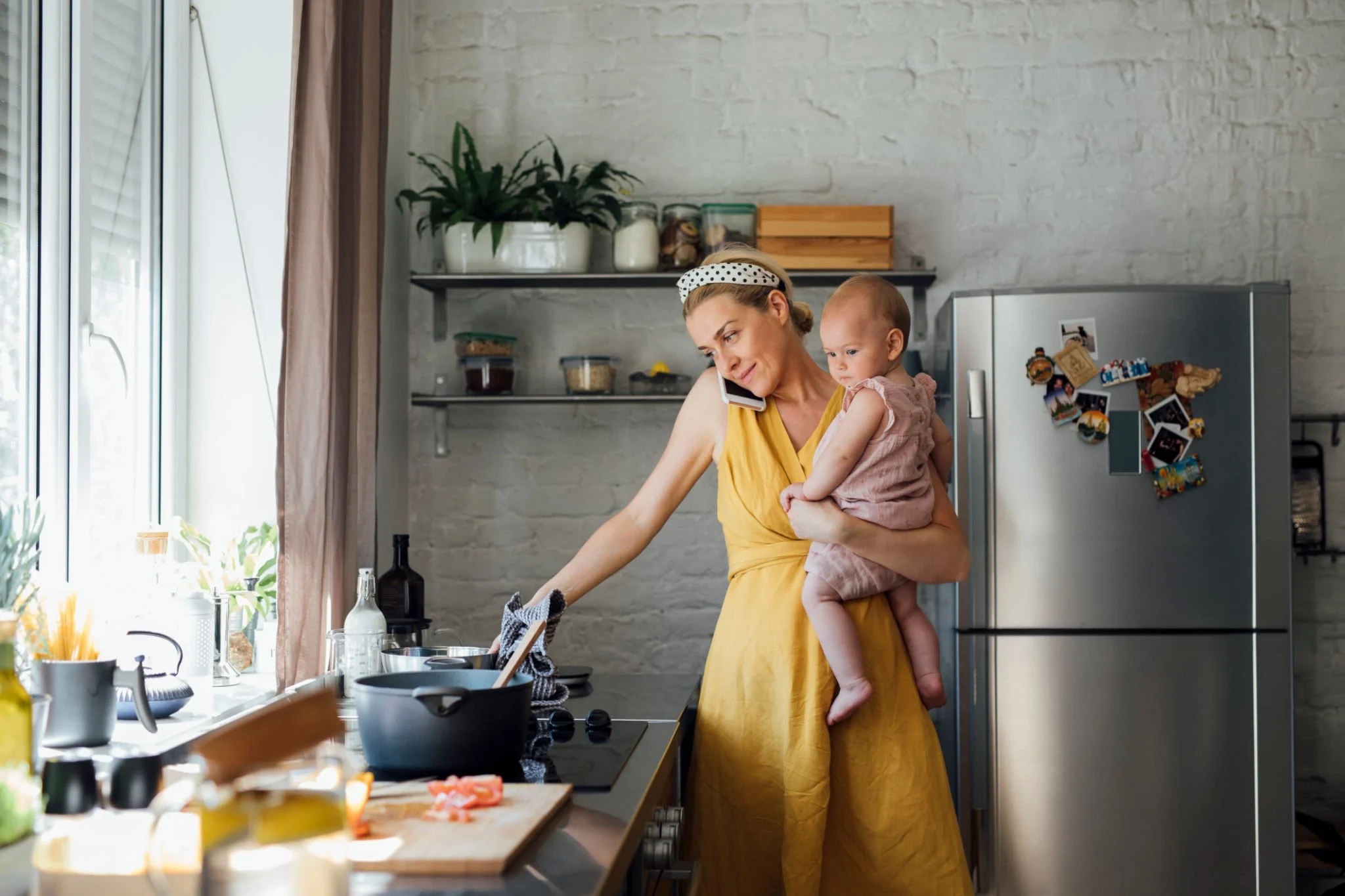
The mental catalogue of who needs what, when, in what size, with what allergy, alongside what appointment, on the same day as what other commitment.
Researchers have studied this — the cognitive load is real, it is disproportionately carried by women, and it never, ever fully switches off. The emotional containment. The capacity to receive a child's fear or rage or despair without being overwhelmed by it. To hold it, acknowledge it, and return it in a form the child can manage.
This is co-regulation. The neurological mechanism by which children develop the capacity to manage their own emotions — and it happens through the mother's regulated presence, thousands of times, before a child ever develops it independently.
In Positive Discipline, these are the skills we formalize and teach. But here is what I want to say clearly: mothers were doing all of this before anyone gave it a name.
The framework does not create the capacity. It names what was already there.
To the mother reading this, you hold more power than the world has given you credit for.
Not the power that gets listed on a CV or rewarded with a promotion. The power that changes who a person is at their core. The power that teaches a child what love looks like in practice. The power that, wielded with care and honesty and imperfect daily effort, leaves something in a child that no difficult year or hard season will ever fully take away.
That is not a small thing. That is, I think, the most important thing.
Happy Mother's Day 💕🫶
Do you want us to bring us directly to your school or organization ?
From leadership teams to full faculty, we offer customized workshops that equip educators to integrate SEL and Educational Neuroscience seamlessly into everyday teaching.
💡 Let’s partner to build stronger, more connected school communities—together.
👉Contact us to host a workshop
UPCOMING WORKSHOPS