The Lost Art of Wonder
"The cure for boredom is curiosity. There is no cure for curiosity."
— Dorothy Parker
I want to share about something we did for Chloe this past year. We switched schools.
It wasn't a small decision, and it certainly wasn't a quick one. You know that kind of choice that keeps you awake occasionally, the kind you turn over from every angle and second-guess even after you've made it, and wondering if you're seeing the whole picture…
If you're a parent, you'll probably know exactly what I mean. We all want to make the right choices for our children, and sometimes that means trusting your instincts even when there isn't a guarantee they'll be right.
But then, at some point, something settles. You stop replaying the decision in your head because you're too busy watching what unfolds in front of you.
That's what these past few months have been like for me.
Chloe's new school is largely tech-free in the early years. There are no smartboards at the front of the classroom or tablets waiting on the desks. Instead, the children learn through their hands, through conversations, through their relationships with one another, and through their relationship with the physical world. I recently watched a teacher jump rope with the class on a Tuesday morning because, there, that is genuinely part of what learning looks like.
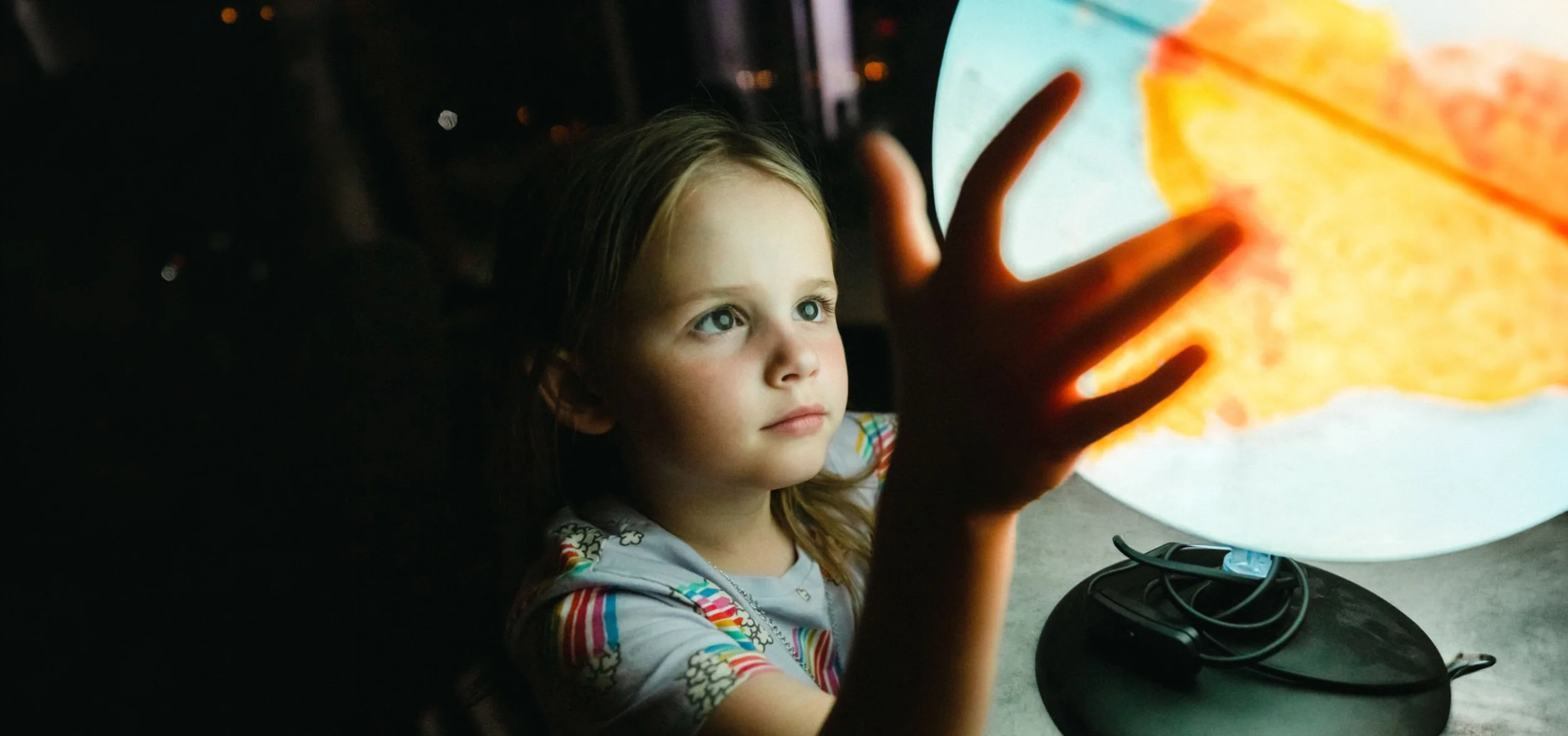
And what I've noticed in Chloe since then is a quality I had started to take for granted in children, one I hadn't fully realised I was missing until I saw it return. Curiosity.
I mean genuine curiosity.
The kind that asks another question before you've quite finished answering the first, or that lingers over an idea instead of rushing on to the next one, and that makes a child stop halfway through a walk because they've spotted something interesting
Not the kind that comes from searching for answers online, but the kind that asks one question, then another, and another after that. The kind that lingers a little longer, notices a little more, and isn't in a hurry to move on.
Somewhere along the way, I realized it wasn't just Chloe I was watching.
Watching that come back has made me think about what we do, and what we don't, protect in childhood. It has made me wonder whether some of the things we value most are also the things we guard the least.
I notice this in myself more often than I would like to admit. The reflex to reach for my phone the moment I don't know something. The way a moment of genuine not-knowing has become slightly uncomfortable instead of interesting. Somewhere along the way, I've stopped letting questions sit with me because there is always a faster route to the answer.
Of course, there is nothing wrong with quick answers. We have access to an extraordinary amount of information, and that is something to be grateful for. But I do wonder if something quietly slips away when we stop practising the other kind of knowing, the kind that comes from living with a question for a little while before rushing to solve it. Did you ever notice that some questions become more interesting the longer we sit with them?
I saw that in Chloe a few weeks into the new school year.
She came home with a question. I can't even remember exactly what it was now, something about why certain things float and others sink, the sort of thing that could have been answered in a few seconds with a quick search on a phone. But she never looked it up.
Instead, she carried the question around with her. At dinner she had one theory. By bedtime she'd changed her mind. The next day she came home with another idea entirely. Three days later she proudly told me what she thought she'd worked out.
She wasn't entirely right, but somehow that wasn't the point.
What struck me wasn't whether she had found the perfect answer.
It was the way she had lived inside the question. She had turned it over, tested ideas, changed her thinking and stayed curious long enough for the discovery to become her own. I couldn't help thinking that if we'd reached for a phone on the first day, she would have had the answer much sooner, but she would have missed the experience of finding it.
I found myself sitting with that for quite a while afterwards because what she had really been practising wasn't just science. She was learning how to be in relationship with not knowing. She was learning that uncertainty isn't something to rush past, but something you can stay with long enough for your own thinking to grow. And perhaps that is one of the skills that makes a life genuinely interesting rather than simply full of information.
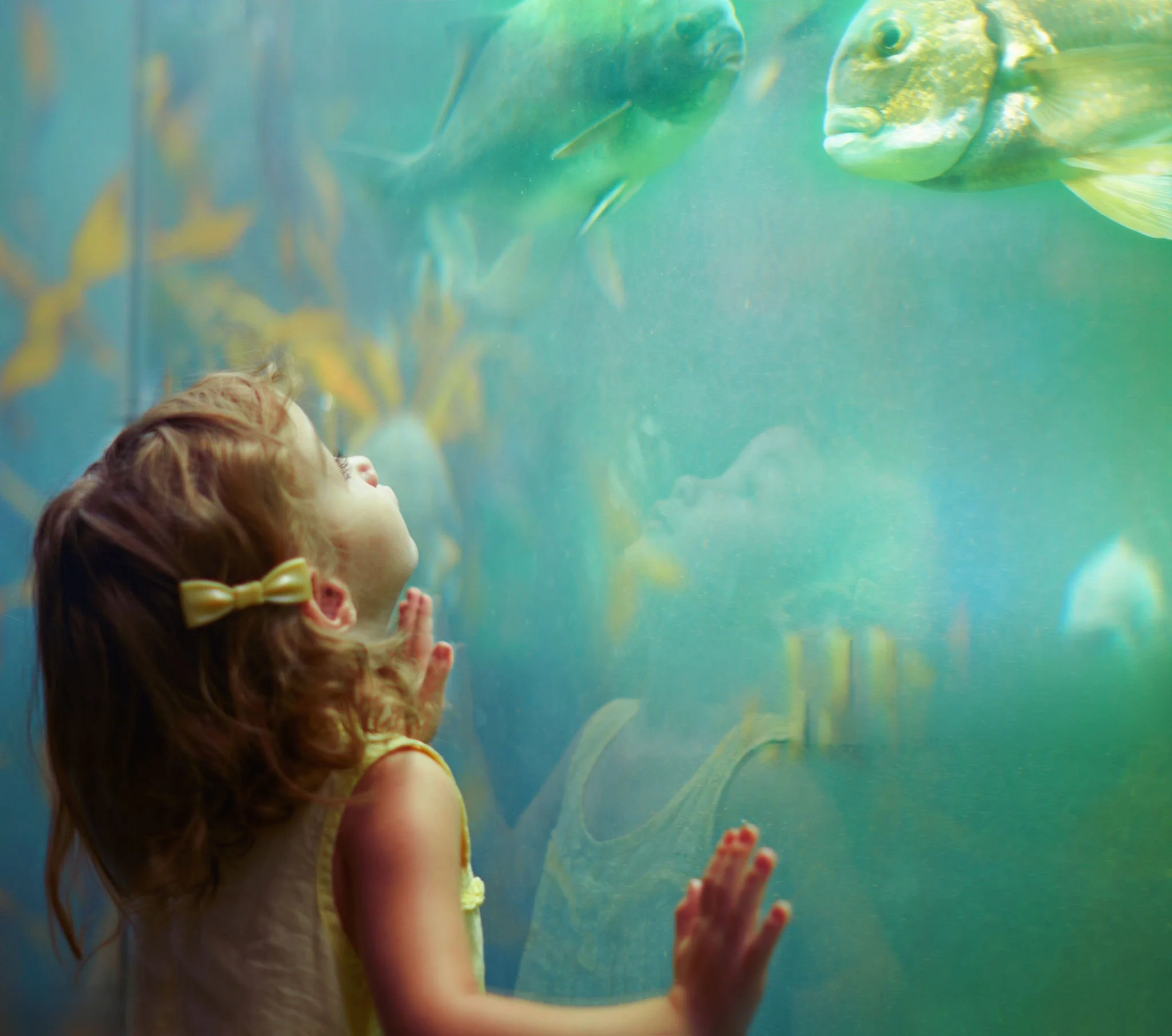
As we begin this August series, that's the ingredient I'd love us to think about together.
Not because curiosity is another parenting or teaching strategy to add to the list, or another technique to master, but because I genuinely believe it makes everything else in life richer.
A curious adult becomes a more present parent. A curious parent asks better questions. Better questions open better conversations. Those conversations, over time, build the relationship that help children feel known, understood and connected.
The lovely thing is that it doesn't require anything complicated.
This week, ask yourself a question you don't immediately know the answer to and resist the urge to look it up straight away.
Let it stay open for a little while. Notice what happens when you give yourself permission to wonder.
Then ask your child something you've never asked them before. Not because you're trying to teach them anything, but because you're genuinely interested in what they might say.
Curiosity, it turns out, is one of the most alive-feeling things available in an ordinary day, and perhaps August is the perfect time to start noticing it again.
But before you go…I've been working on something I'm so excited to finally share.
Small Talk: 101 Conversation Cards for Deeper Connections is now available in digital download
I created these cards to help families, classrooms, and friends spark the kinds of conversations that bring us closer together. Sometimes all it takes is one thoughtful question to open the door to laughter, curiosity, and genuine connection.
Enjoy 30% off this August and September only — don't miss your chance to grab it at launch price!
If you're looking for a simple, screen-free way to create more meaningful moments this season, I'd love for you to take a look.
You can order your digital cards at joymarchese.com/shop
Do you want us to bring us directly to your school or organization ?
From leadership teams to full faculty, we offer customized workshops that equip educators to integrate SEL and Educational Neuroscience seamlessly into everyday teaching.
💡 Let’s partner to build stronger, more connected school communities—together.
UPCOMING WORKSHOP