
Blog Collections

The pace of adult life, combined with the habits that come with constant connectivity, has a way of convincing us that slow, attentive noticing feel like something we do not have time for. But the best way I know to rediscover it is to spend time with children who haven't forgotten how.
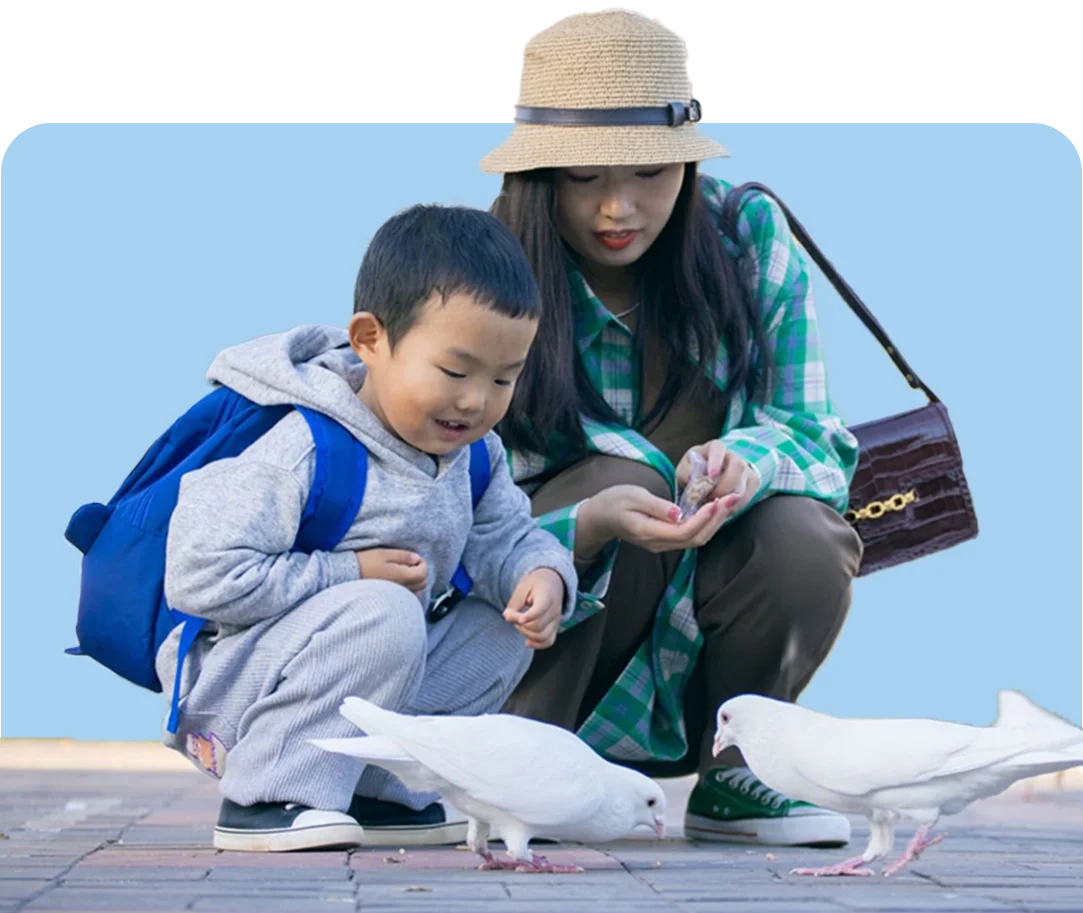
We invest so much in the big experiences (which is great!). The holidays, the special outings, the carefully organized days that are surely going to become the stories our children tell one day. And sometimes they do. Some of those planned moments become exactly the memories we hoped they would.
But the ones that stay with us the longest are often much simpler than that.

A curious adult becomes a more present parent. A curious parent asks better questions. Better questions open better conversations. Those conversations, over time, build the relationship that help children feel known, understood and connected.

Children absorb the emotional atmosphere of the adults around them long before they can explain it.
They do not only experience summer through their own eyes. They experience it through ours too.

We measure summer by the highlights. The trips, the big days, the photographs. And those things are genuinely worth celebrating.
But the summers I look back on most warmly are not the ones with the most impressive itinerary. They are the ones where I was actually present in the ordinary moments.

If we have started to think of a child as anxious, we may notice every moment of worry and miss the tiny flashes of courage. Not because we are bad parents. Not because we are not paying attention. Because that is what minds do…they look for evidence that confirms the story they already know.
But summer strips away the school-year context and shows you a different version of your child. One that does not always fit neatly into the story you have been carrying since September.

Optimism as a muscle you build over time, not a personality trait you either have or do not. That reframe matters. Because it means it is available to all of us. Including on the days when it does not come easily.
This does not mean we need to be endlessly positive. That would be exhausting, and not especially honest. It means we can help children see that more than one thing can be true at the same time.

As the year comes to a close, we may imagine that finishing well means cheerful cooperation, completed tasks, calm mornings, and everyone gliding neatly into the final day.
But June rarely works that way. Motivation will rise and fall. Feelings will come and go. There will be days when children have energy and days when they simply do not.
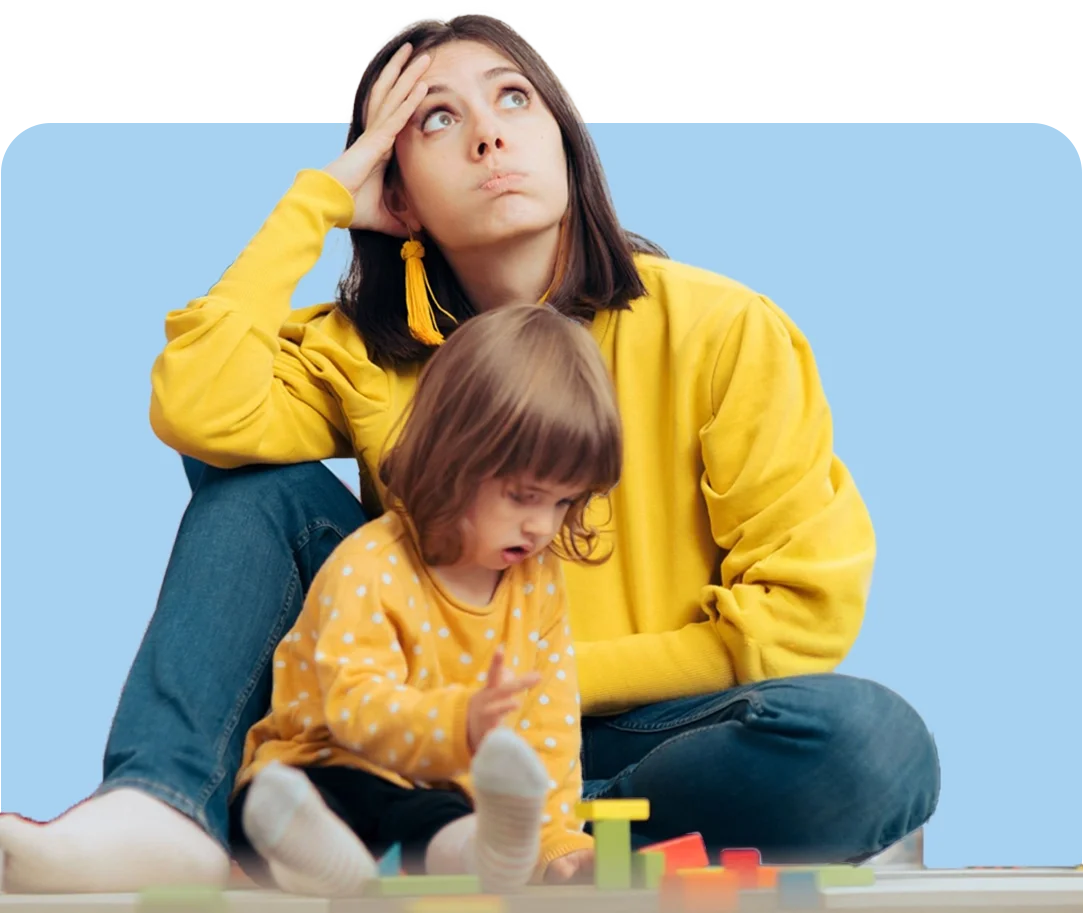
By June, the feelings that were easier to carry in September or January may start to feel heavier.
Children may show it through behaviour. Adults may show it through shorter patience, quieter exhaustion, or that familiar feeling of having very little left to give at the end of the day.
So if June feels heavier than you expected, you are not alone
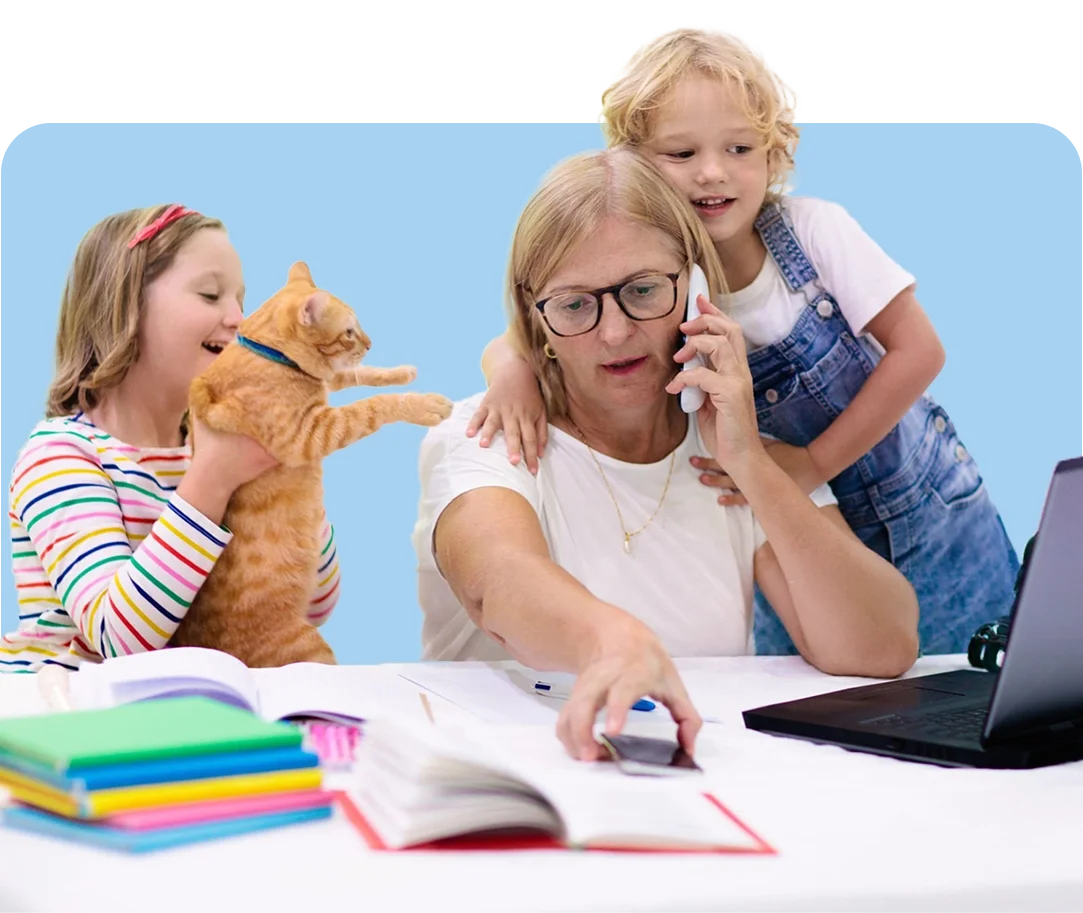
Mothers are capable in ways that don’t always get named. They adjust without being asked. They notice without being told. They carry what needs to be carried, often before anyone else realizes it needed attention in the first place and it is easy to take for granted—not because it’s small, but because it’s constant.

When we hold limits with children, we're not withholding care. We're teaching something real and important: that other people have needs, that those needs matter, that genuine care is not the same as unlimited provision. The parent who can never say no isn't giving more love. They're actually depriving their child of one of the most valuable lessons available.
The same logic applies to you.

Everything I teach in Positive Discipline at its absolute core is about this kind of attunement. Women who teach and parent well are already doing the attunement that Positive Discipline formalizes. They were doing it before anyone gave it a name.
What they haven't been given is recognition that it is work. Real work.

This month of February arrives carrying its usual symbols — hearts, flowers, reminders to love loudly and visibly. But beneath all of that, many of us are walking through our days holding quiet concerns, unanswered questions, and a deep sense of care for a world that feels like it’s hurting.

Gratitude isn’t denial. It’s grounding.
It’s the practice of noticing what still exists when everything feels like it’s unraveling. The relationships that hold. The small moments of safety. The fact that even in a hurting world, care is still being offered — sometimes quietly, sometimes imperfectly, but genuinely.

Peace doesn’t usually show up once everything is fixed. More often, it’s something we practice while things are still unfolding. It’s something we carry — gently, imperfectly — even when the world feels loud, uncertain, or divided.

A classroom does not need a teacher who looks like they have everything figured out every minute of the day.
Children need a teacher who is present enough to notice them, curious enough to understand them and confident enough to guide them without losing the relationship along the way. The goal is not to perform perfectly through all of it. The goal is to stay connected enough to keep teaching the children who are actually in front of you.

When we greet children intentionally, we are doing more than being polite. We are beginning the day by communicating that they are individuals rather than simply another person on the register, another set of books to mark or another child we need to keep on task.
And that can matter enormously, particularly for children who are finding school difficult.

One of the most wonderful and challenging things about the beginning of a school year. We know their names before we know their stories.
You will get some things wrong. You will make assumptions that turn out not to be true, and that’s okay. That is not a failure of your preparation. That is what it means to teach people rather than programmes. And they are also a reminder that the relationship is still developing.
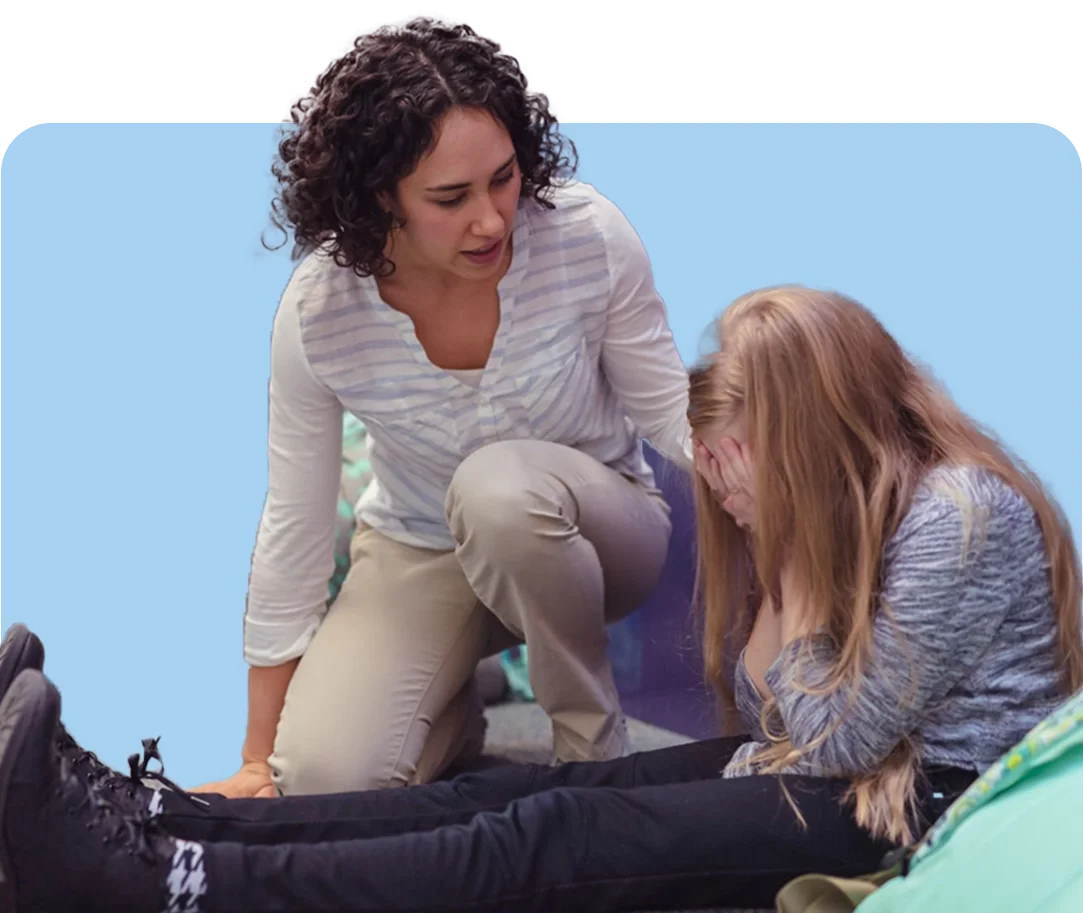
June can bring a different kind of classroom energy.
Children may be tired but restless. Some children become louder. Some become more emotional. Some test limits. Some seem to need more reassurance. Others quietly pull back.
And because teachers are often the emotional anchors in the room, we can feel responsible for holding all of it together.

A teacher is a role. A profession. A job title that appears on a contract and a timetable and a staff list. There are millions of teachers in the world right now and every single one of them matters.
But THE teacher is something else.

A true partnership means seeing each other not as “sides,” but as part of the same team—both committed to helping a child thrive. Parents bring deep knowledge of their child’s personality, strengths, and home life. Teachers bring expertise in learning, structure, and growth. When those two come together, we see the whole child. It’s not about who’s doing it “right.” It’s about staying connected enough to work through challenges with empathy and respect.

Teaching from the back of the room isn’t about doing less. It’s about doing differently. It’s about planting seeds of learning in such a way that long after your students leave, they still carry the roots with them.

As teachers, we often feel pressure to keep talking, to keep explaining, to make sure every detail is delivered. But sometimes, the most powerful teaching moment is when we step back and let students move and speak.

Research in neuroscience tells us that the human brain isn’t built to sit still, listen passively, and absorb information like a sponge. Brains crave movement, interaction, novelty, and chances to make meaning. In short: if learners aren’t engaged, they aren’t retaining.

When we pair shorter learning chunks with varied delivery, we create classrooms that are more dynamic, engaging, and brain-friendly. Students don’t just listen—they interact, process, and connect. And that’s when real learning happens.

When we lean on images and writing, we move from simply delivering information to shaping experiences that stay with learners long after the lesson ends. Words alone may fade, but a vivid picture lingers. Silent reading may pass quickly, but the act of writing roots ideas deeply in memory.

So, Why SEL? Why Now? Because no matter how brilliant your curriculum is, no matter how many classroom strategies you have in your back pocket—none of it lands without connection.

You’re allowed to love teaching and still be tired. You don’t have to be all things to all people all the time.
Being a great educator doesn’t mean you never struggle. It means you keep showing up with heart—even when you’re running on fumes.

Shifting emotions in the classroom is a daily practice. It takes awareness, intention, and a whole lot of grace (for yourself and your students). But the more you do it, the more you’ll find that those small internal shifts? They ripple outward.
You are getting enough sleep. Or close enough. You are going to bed at a reasonable hour, waking up at a reasonable hour, doing the things you are supposed to do. And you are still exhausted. Not tired in the way a good weekend away would fix. Tired in a way that seems to sit underneath everything, that rest does not seem to touch, that you have quietly started to wonder might just be who you are now.

Children spend so much of the school day managing themselves. By the time they come home, their emotional capacity may be low. The feelings they have carried all day can spill out in the place where they feel safest.And sometimes, we will not get it right. We may snap. We may lecture. We may respond from our own tiredness.

Your child does not need you to perform fatherhood perfectly. They need you to keep choosing connection. They need to see that mistakes can be repaired, that feelings can be spoken about, that kindness and firmness can live together, and that love is something we practise in real life, not something we only declare on special occasions.

You are getting enough sleep. Or close enough. You are going to bed at a reasonable hour, waking up at a reasonable hour, doing the things you are supposed to do. And you are still exhausted. Not tired in the way a good weekend away would fix. Tired in a way that seems to sit underneath everything, that rest does not seem to touch, that you have quietly started to wonder might just be who you are now.

Purpose, in its most useful form, is not a dramatic discovery. It is a quiet orientation. A direction of travel. A set of values, held consistently, that guide the small decisions of an ordinary day. You probably already have it. You may just not be calling it that.

The care you bring to an ordinary morning — the greeting, the patience, the moment of genuine interest in a child's world — is depositing something into a child's development that does not show up on any observable measure but that shapes who they are becoming.
You will never see the full extent of what you are doing. Almost no one who does work that matters ever does.
This is not a consolation prize. This is the reality of meaningful work.

When we are not present to what is actually happening, we miss it. The child who is trying to tell us something with their behaviour, not their words. The moment of beauty in an ordinary afternoon. The rising tension in our own body that, if we had noticed it twenty minutes earlier, we might have been able to address before it became the sharp word we later regretted.

We are living in a world that pulls us away from each other — toward screens, toward productivity, toward the management of anxiety rather than the cultivation of joy. Choosing connection in that world is a small act of resistance. It is also, it turns out, one of the most effective things we can do for ourselves and for the children in our care.

We spend so much time talking about what women do. The invisible work, the emotional labour, the impossible balancing act. And all of that is true and worth naming. But underneath the doing is a being.

Adults co-regulate with each other too. We always have. That friend who can hold a crisis without panicking. The colleague who makes you feel steadier just by sitting across from you. The person who lets you say the thing that's actually true without making you manage their reaction to it.

I started Women's Month planning to write something polished. A proper opening post. Something that felt finished and confident and, you know, appropriately celebratory.
And then I sat down to write it and what came out instead was this: I am still figuring so much out.

There are things we carry into the new year not because they help us grow, but because they’ve become familiar. They feel like home base, even when home base is uncomfortable.

We all bring something into the New Year—habits, patterns, beliefs, fears, relationships, expectations, unfinished healing, unfinished conversations, and unfinished growth.
The real work is deciding what actually deserves to come with us. Because not everything does.

Winter doesn’t just happen inside individuals.
It happens between people, too.
Between co-parents trying to keep routines steady while juggling everything else.
Between colleagues who care about each other but are running on fumes.
Between family members moving around the same house but feeling worlds apart.
Never Miss A Post!
Having a good time with what you're reading? Well, there's even more goodness on the way!
Don't miss out – sign up now to receive exclusive updates about our upcoming releases.
Must– read blogs

Mistakes as Wonderful Opportunities to Learn. Really?
Remember those times back to your school days when you stumbled, faltered, and made mistakes? Now, consider the messages that surrounded those moments. Were they ones of disappointment, inadequacy, or perhaps even a tinge of shame? What if, instead of criticism, we were met with encouragement and engagement in the process of fixing and learning from our mistakes?

Release Your Grip on CONTROL!
You see, as humans, we all yearn to feel capable, to know that we have the ability to acquire skills and achieve our goals. I've come to realize that there's a subtle dance between helping students and fostering their independence. It's a delicate balance, but one that's crucial for their growth, confidence, and overall development.

Connection before Correction
Research suggests that recognising, labelling, and discussing emotions with children lays the foundation for their social emotional development, self-regulation, and success later in life.
We talked about presence and the slow moments that quietly become our favorite memories simply because someone was fully there for them.
None of them were ever meant to be experienced alone.
Wonder becomes richer when you have someone to explore it with. The memories that stay with us longest are almost always shared ones.